Bill · H.R. 1863· House(119-HR-1863)
Royalty Transparency Act
- Introduced
- 3/5/2025
- Last activity
- 3/5/2025 — Referred to the Committee on Oversight and Government Reform, and in addition to the Committee on the Judiciary, for a period to be subsequently determined by the Speaker, in each case for consideration of such provisions as fall within the jurisdiction of the committee concerned.
- Sponsored by
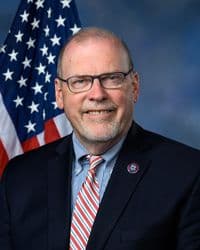
- H. Griffith
- Cosponsors
- - 1 - 0
- Introduced
- In Committee
What this bill would do
The Royalty Transparency Act requires executive branch employees and certain advisory committee members to report royalties received from inventions developed during their employment. It mandates that the Government Accountability Office identify advisory committees that make public health recommendations. The bill requires agencies to publish reports online detailing the names of individuals and the specific amounts of royalties they received. Additionally, it requires agencies to notify specific Congressional committees when financial disclosure waivers are granted. Finally, the act directs regulatory bodies to update conflict of interest reviews for federal contractors and grantees to include royalty payments.
Yes
Does this make what the government does easier for the public to see?+8
The bill mandates the publication of names and royalty amounts of executive branch employees and advisory committee members online.
Does this give people more protection from unfair business practices?+3
The bill mitigates organizational conflicts of interest by requiring regulatory reviews of royalties for contractors and grantees.
Does this make the country readier for the next outbreak?+2
The bill increases transparency for advisory committees that make public health recommendations.
The opposite
Would high-income households be better off under this?-3
The bill imposes new financial reporting requirements on executive branch employees and their families regarding invention royalties.
Who it would affect, and how
Potential Positive Impacts for People
-
Increased Transparency for Advisory Committees: The Government Accountability Office will publish a list of advisory committees that make public health recommendations and have had those recommendations implemented, providing clarity on which groups influence public policy (Section 2(a)).
-
Public Access to Financial Information: Agencies must publish reports on their websites detailing the names of "covered individuals" and the original source and value of royalties received, allowing the public to see what certain officials are earning from their inventions (Section 2(c) and Section 2(e)).
-
Greater Oversight of Ethics Waivers: When an ethics office grants a waiver, they must now provide notification and a detailed justification to specific Congressional committees, ensuring that exceptions to conflict of interest rules are scrutinized (Section 2(b)).
-
Mitigation of Organizational Conflicts: By requiring the Federal Acquisition Regulatory Council and the Office of Management and Budget to include royalty reviews in conflict of interest checks for contractors or grantees, the bill aims to identify and mitigate potential conflicts of interest (Section 3(a)).
Potential Negative Impacts for People
-
Increased Reporting Burdens for Employees: Executive branch employees, their spouses, and dependent children must now report the original source and specific amount of royalties received from inventions developed during their employment (Section 2(c)).
-
Sunset of Certain Advisory Committee Protections: The requirement for the Government Accountability Office to list specific advisory committees will expire five years after the Act is enacted (Section 2(a)).
Groups and Interests Ranking
Every group the model scored this bill for, from -10 to +10. Hover a score for the reason it gave.
- Governance And Ideology
- Improves Government Transparency+8
- Demographic And Interest Groups
- Good For High Income Households-3
- Economy And Finance
- Improves Consumer Protection+3
- Healthcare
- Improves Pandemic Preparedness+2
- 9/30/2025
- 1 Cosponsor added.
- 3/5/2025
- Referred to the Committee on Oversight and Government Reform, and in addition to the Committee on the Judiciary, for a period to be subsequently determined by the Speaker, in each case for consideration of such provisions as fall within the jurisdiction of the committee concerned.
- Introduced in House
One bill Congress.gov lists as related to this one — companions in the other chamber, earlier versions, and bills this one absorbed or was folded into.
 Nicole Malliotakis
Republican · New York