Bill · H.R. 1838· House(119-HR-1838)
Broadband Internet for Small Ports Act
- Introduced
- 3/4/2025
- Last activity
- 3/28/2025 — Referred to the Subcommittee on Commodity Markets, Digital Assets, and Rural Development.
- Sponsored by
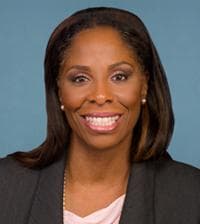
- Stacey Plaskett
- Cosponsors
- - 0 - 1
- Introduced
- In Committee
What this bill would do
This bill, titled the "Broadband Internet for Small Ports Act," aims to amend the Rural Electrification Act of 1936. The primary goal is to improve access to broadband telecommunications services in rural areas. It specifically encourages the use of broadband loans and grants to increase service in rural ports. Additionally, the bill establishes priority for projects involving rapid and expanded broadband deployment on cropland and ranchland for precision agriculture. It also creates a priority system for increasing broadband availability in rural ports.
Yes· 3 of 7
Does this get reliable internet to more people?+8
The bill provides loans and grants to expand fixed and mobile broadband service in rural areas and ports.
Would farmers be better off under this?+7
The bill prioritizes broadband deployment for precision agriculture on cropland and ranchland.
Would people in rural areas be better off under this?+7
The bill specifically aims to increase broadband availability in rural communities and ports.
The opposite
No question was scored the opposite.
Who it would affect, and how
Potential Positive Impacts for People
-
Support for Precision Agriculture: The bill gives priority to applications for projects that provide rapid and expanded deployment of fixed and mobile broadband on cropland and ranchland for use in precision agriculture applications (Section 2, subsection (c)(2)(A)(i)(aa)).
-
Improved Access for Rural Ports: The Secretary is required to give equal priority to applications for projects that increase broadband service availability in a port located in a rural area (Section 2, subsection (c)(2)(A)(C)(ii)).
-
Increased Funding for Specific Rural Areas: The Secretary has the authority to increase grant amounts up to 75 percent of development costs for projects serving specific rural households and communities (Section 2, subsection (c)(2)(A)(B)(D)).
-
Service Level Protections: The Secretary must work with the FCC to ensure that grants, loans, or loan guarantees provide a level of service not less than that provided through universal service high-cost support (Section 2, subsection (c)(2)(A)(C)).
-
Faster Project Starts: The Secretary may obligate funds before the completion of required environmental, historical, or other reviews if a subsequent site-specific review is deemed adequate and easily accomplished (Section 2, subsection (c)(4)).
Potential Negative Impacts for People
- Grant Limitations: There is a general cap on grants, stating they shall not exceed 50 percent of the development costs of a project, unless the Secretary uses specific authority to increase that amount (Section 2, subsection (c)(2)(A)(B)(C)).
Groups and Interests Ranking
Every group the model scored this bill for, from -10 to +10. Hover a score for the reason it gave.
- Demographic And Interest Groups
- Good For Farmers+7Good For Rural Residents+7Good For Low Income Households+3
- Education And Technology
- Improves Internet Access+8
- Environment Energy And Infrastructure
- Improves Rural Development+6
- Economy And Finance
- Improves Economic Growth+4
- Social Issues And Justice
- Improves Poverty Reduction+2
- 3/28/2025
- Referred to the Subcommittee on Commodity Markets, Digital Assets, and Rural Development.
- 3/4/2025
- Referred to the Committee on Agriculture, and in addition to the Committee on Energy and Commerce, for a period to be subsequently determined by the Speaker, in each case for consideration of such provisions as fall within the jurisdiction of the committee concerned.
- 1 Cosponsor added.
- Introduced in House
 Barry Moore
Republican · Alabama