Bill · H.R. 1780· House(119-HR-1780)
Hawaii Native Species Conservation and Recovery Act of 2025
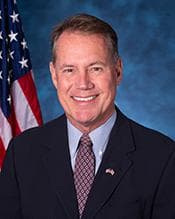
- Introduced
- 3/3/2025
- Last activity
- 3/3/2025 — Referred to the House Committee on Natural Resources.
- Sponsored by
- Ed Case
- Cosponsors
- - 1 - 0
- Introduced
- In Committee
What this bill would do
The Hawaii Native Species Conservation and Recovery Act of 2025 establishes a competitive grant program to support the conservation of native plants, fungi, and animals in Hawaii. The program is designed to provide funding and technical assistance to various eligible entities for coordinated, evidence-based projects. These projects aim to address issues such as invasive species, climate change, and habitat loss. The Secretary of the Interior will establish the program within 180 days of receiving funds. Funding priorities will be developed through coordination with various federal agencies and local stakeholders. The bill authorizes $30,000,000 annually for the first ten fiscal years.
Yes· 3 of 8
Does this better protect air, water and wildlife?+8
The bill funds the conservation, recovery, and habitat restoration of native species in Hawaii while managing invasive species.
Would Native Americans be better off under this?+6
The bill mandates consultation with Native Hawaiian organizations and provides them with specific funding advantages.
Does this put more money into scientific research?+5
The bill increases scientific capacity for the planning, monitoring, and research of native species conservation.
The opposite
Does this reduce what the federal government spends?-1
The bill authorizes $30,000,000 in annual federal spending for the grant program.
Who it would affect, and how
Potential Positive Impacts for People
-
Support for Native Species Recovery: The program provides funding to manage, maintain, and restore populations of native species, which helps address habitat degradation and the threat of invasive species (Section 3(b)).
-
Economic and Educational Opportunities: Certain projects may receive 100 percent federal funding if they significantly contribute to youth workforce readiness (Section 3(g)(1)(B)(ii)).
-
Support for Native Hawaiian Organizations: The Secretary is required to consult with Native Hawaiian organizations regarding projects that impact the Native Hawaiian Community (Section 3(j)), and these organizations can receive projects where the federal share covers 100 percent of the cost (Section 3(g)(1)(B)(ii)).
-
Community Engagement: The program aims to engage the public through outreach, education, and community involvement to increase support for native species conservation (Section 3(b)(7)).
-
Technical Assistance: Eligible entities may receive technical assistance to help them implement their funded projects (Section 3(i)).
Potential Negative Impacts for People
- Financial Responsibility for Projects: Unless a project meets specific exceptions, the federal share of the cost cannot exceed 75 percent, meaning entities may need to find other ways to cover the remaining costs (Section 3(g)(1)(A)).
Groups and Interests Ranking
Every group the model scored this bill for, from -10 to +10. Hover a score for the reason it gave.
- Demographic And Interest Groups
- Good For Native Americans+6Good For Young Adults+4Good For Low Income Households+1Good For Union Workers+1
- Environment Energy And Infrastructure
- Improves Environmental Protections+8
- Education And Technology
- Increases Scientific Research Funding+5
- Social Issues And Justice
- Improves Racial Equity+5
- Economy And Finance
- Increases Job Creation+3Reduces Government Spending-1
- 3/3/2025
- Sponsor introductory remarks on measure. (CR E176-177)
- Referred to the House Committee on Natural Resources.
- 1 Cosponsor added.
- Introduced in House
One bill Congress.gov lists as related to this one — companions in the other chamber, earlier versions, and bills this one absorbed or was folded into.
 Jill Tokuda
Democrat · Hawaii