Bill · H.R. 162· House(119-HR-162)
First Amendment Accountability Act
- Introduced
- 1/3/2025
- Last activity
- 1/3/2025 — Referred to the House Committee on the Judiciary.
- Sponsored by
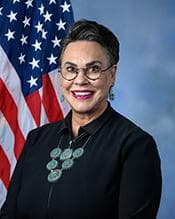
- Harriet Hageman
- Cosponsors
- - 15 - 0
- Introduced
- In Committee
What this bill would do
This bill, known as the "First Amendment Accountability Act," creates a legal path for citizens to take action against federal employees. It specifically targets those who deprive individuals of rights protected by the First Amendment while acting under government authority. The act allows injured parties to pursue redress through legal actions or suits in equity. It defines federal employees as those in the executive branch, excluding the President and Vice President. Additionally, the bill allows courts to award reasonable attorney's fees to prevailing parties.
Yes· 3 of 5
Does this protect the individual right to speak freely?+7
The bill enables litigation to protect and redress violations of First Amendment rights.
Does this protect what people are allowed to say in public life?+7
The bill provides a legal remedy for citizens whose First Amendment rights are deprived by federal employees.
Does this protect the right to fair treatment by the courts?+5
The bill establishes a specific legal path and right of action for individuals to seek redress for rights violations.
The opposite
No question was scored the opposite.
Who it would affect, and how
Potential Positive Impacts for People
-
Right to Redress: This provision allows any citizen or person within U.S. jurisdiction who has been deprived of First Amendment rights by a federal employee to seek a remedy through legal action or equity suits. (Section 2(a))
-
Legal Cost Support: The bill allows for the possibility of a court awarding reasonable attorney's fees to the winning party, which can help individuals seek justice. (Section 2(c))
Potential Negative Impacts for People
-
Restrictions on Employee Lawsuits: Federal employees are prohibited from using this act to sue their employer or the Federal Government if their conduct was within the scope of their employment. (Section 2(b))
-
Exclusions from Protection: The definition of a "Federal employee" specifically excludes the President and the Vice President from being subject to these actions. (Section 2(d))
Groups and Interests Ranking
Every group the model scored this bill for, from -10 to +10. Hover a score for the reason it gave.
- Governance And Ideology
- Improves Freedom Of Speech+7Improves Due Process+5Improves Government Transparency+4
- Social Issues And Justice
- Improves Freedom Of Speech+7
- Demographic And Interest Groups
- Good For Low Income Households+4
- 11/4/2025
- 1 Cosponsor added.
- 10/28/2025
- 1 Cosponsor added.
- 2/10/2025
- 1 Cosponsor added.
- 2/5/2025
- 1 Cosponsor added.
- 1/22/2025
- 1 Cosponsor added.
- 1/9/2025
- 1 Cosponsor added.
- 1/3/2025
- Referred to the House Committee on the Judiciary.
- 9 Cosponsors added.
- Introduced in House
 Josh Brecheen
Republican · Oklahoma
 Michael Cloud
Republican · Texas
 Ben Cline
Republican · Virginia
 Elijah Crane
Republican · Arizona
 Byron Donalds
Republican · Florida
 Paul Gosar
Republican · Arizona
 Marjorie Greene
Republican · Georgia
 Mark Harris
Republican · North Carolina
 Thomas Massie
Republican · Kentucky
 Barry Moore
Republican · Alabama
 Troy Nehls
Republican · Texas
 Andrew Ogles
Republican · Tennessee
 W. Steube
Republican · Florida
 Thomas Tiffany
Republican · Wisconsin
 Jefferson Van Drew
Republican · New Jersey