Bill · H.R. 1533· House(119-HR-1533)
PIIA Reform Act
- Introduced
- 2/24/2025
- Last activity
- 2/24/2025 — Referred to the Committee on Oversight and Government Reform, and in addition to the Committee on Ways and Means, for a period to be subsequently determined by the Speaker, in each case for consideration of such provisions as fall within the jurisdiction of the committee concerned.
- Sponsored by
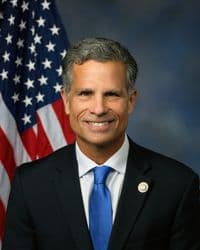
- Daniel Meuser
- Cosponsors
- None
- Introduced
- In Committee
What this bill would do
This bill, known as the PIIA Reform Act, aims to strengthen oversight and accountability regarding improper payments in the federal government. It establishes an "Overpayment Czar" within the Office of Federal Financial Management to assist agencies in identifying and mitigating fraud and improper payments. The legislation expands the scope of what qualifies as an improper payment, specifically targeting new Federal programs with high outlays. It also introduces penalties for executive agencies that fail to comply with payment integrity requirements. Additionally, the bill mandates that certain States use specific payment integrity tools and submit reports on their effectiveness.
Yes· 3 of 4
Does this make the government pay for what it commits to?+5
The legislation strengthens fiscal accountability by requiring agencies and states to implement better payment integrity tools.
Does this reduce what the federal government spends?+4
The bill reduces government waste by establishing an Overpayment Czar to mitigate improper payments and fraud.
Would households on low incomes be better off under this?+2
Improved oversight of social safety net programs like SNAP and TANF helps ensure benefits reach eligible low-income individuals.
The opposite
Does this put more money into Medicaid, the health coverage for people on low incomes?-2
While it aims for integrity, the bill requires states receiving Medicaid to use specific tools and remit overpayments, which could impact state budgets.
Who it would affect, and how
Potential Positive Impacts for People
-
Increased Oversight of Federal Funds: The creation of an Overpayment Czar is intended to help executive agencies identify, prevent, and mitigate fraud and improper payments within Federal programs (Section 2).
-
Improved Payment Integrity for New Programs: The bill expands the scope of improper payment definitions to include new Federal programs that make more than $100,000,000 in payments in their first year or have high outlays during their first few years of operation (Section 4).
-
Enhanced Accountability for Agencies: Agencies will be required to include plans to decrease improper payments in their financial management requirements (Section 3).
-
Better Fraud Risk Identification: Agency heads will be required to report on the identification of fraud risks and vulnerabilities related to payroll, beneficiary payments, grants, large contracts, and purchase and travel cards (Section s 4(d)).
-
Strengthened State-Level Payment Integrity: States receiving funding for programs like Medicaid, TANF, and SNAP will be required to use specific payment integrity tools to reduce overpayments (Section 4(e)).
Potential Negative Impacts for People
-
Budget Reductions for Noncompliant Agencies: Executive agencies that fail to comply with payment requirements may face a reduction in their highest-level administrative appropriation account by 5 percent, or 10 percent if they are noncompliant for two or more years (Section 4(c)).
-
Financial Burdens on Noncompliant States: If a State does not use the required payment integrity tools, that State must remit payment to the Treasury for the total amount of overpayment in covered programs (Section 4(e)).
Groups and Interests Ranking
Every group the model scored this bill for, from -10 to +10. Hover a score for the reason it gave.
- Economy And Finance
- Improves Fiscal Responsibility+5Reduces Government Spending+4
- Demographic And Interest Groups
- Good For Low Income Households+2
- Healthcare
- Increases Medicaid Funding-2
- Social Issues And Justice
- Improves Poverty Reduction+2
- 2/24/2025
- Referred to the Committee on Oversight and Government Reform, and in addition to the Committee on Ways and Means, for a period to be subsequently determined by the Speaker, in each case for consideration of such provisions as fall within the jurisdiction of the committee concerned.
- Introduced in House