Bill · H.R. 1294· House(119-HR-1294)
BEST Facilitation Act
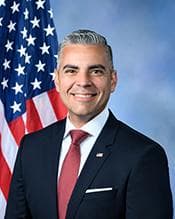
- Introduced
- 2/13/2025
- Last activity
- 2/13/2025 — Referred to the Subcommittee on Border Security and Enforcement.
- Sponsored by
- Juan Ciscomani
- Cosponsors
- - 1 - 3
- Introduced
- In Committee
What this bill would do
This bill establishes a pilot program for image technician positions within the U.S. Customs and Border Protection Office of Field Operations. The program introduces two levels of technicians to review non-intrusive inspection images of conveyances and containers at various ports of entry. These technicians will work from five regional command centers to identify potential contraband, terrorist weapons, or individuals attempting unlawful entry or exit. All technicians will be supervised by a U.S. Customs and Border Protection Officer and must undergo specific annual training. The pilot program is scheduled to conclude five years after its enactment.
Yes· 3 of 7
Does this tighten control of the border?+7
The bill establishes a pilot program for image technicians to better identify contraband, weapons, and unlawful entries at ports of entry.
Does this protect people from being watched or searched?+3
The bill mandates annual training for technicians on respecting privacy and Fourth Amendment protections.
Does this expand the rights of people with disabilities?+1
The bill includes mandatory training for technicians regarding civil rights and liberties.
The opposite
No question was scored the opposite.
Who it would affect, and how
Potential Positive Impacts for People
-
Enhanced Security Screening: Image technicians are tasked with reviewing images to identify anomalies such as contraband, illicit drugs, terrorist weapons, or persons seeking to unlawfully enter or exit the United States (Section 2(a)(6)(A)(iii)).
-
Intelligence Integration: Image Technician 2 positions are responsible for receiving and reporting intelligence regarding tactics used by malign actors at ports of entry (Section 2(a)(6)(B)(iii)).
-
Protection of Rights: The bill mandates that all technicians receive annual and ad hoc training regarding respecting privacy, civil rights, and civil liberties, including protections against unreasonable searches and seizures under the First and Fourth Amendments (Section 2(a)(6)(D)(i)).
-
Employment Opportunities: The positions are to be filled by existing U.S. Customs and Border Protection employees, and the bill allows for these individuals to transfer to comparable positions if the pilot program ends (Section 2(a)(6)(A)(ii) and Section 2(b)(2)).
Potential Negative Impacts for People
- Uncertainty of Position Permanence: The pilot program includes a sunset provision, meaning it ceases to have effect five years after enactment, which may affect those occupying the positions (Section 2(b)(1)).
Groups and Interests Ranking
Every group the model scored this bill for, from -10 to +10. Hover a score for the reason it gave.
- Social Issues And Justice
- Improves Border Security+7Improves Disability Rights+1
- Demographic And Interest Groups
- Good For Business Owners+1Good For Low Income Households+1Good For Union Workers+1
- Governance And Ideology
- Improves Privacy Rights+3
- National Security And Foreign Policy
- Improves Veterans Benefits+1
- 12/19/2025
- 1 Cosponsor added.
- 9/16/2025
- 1 Cosponsor added.
- 6/5/2025
- 1 Cosponsor added.
- 2/13/2025
- Referred to the House Committee on Homeland Security.
- Referred to the Subcommittee on Border Security and Enforcement.
- 1 Cosponsor added.
- Introduced in House
One bill Congress.gov lists as related to this one — companions in the other chamber, earlier versions, and bills this one absorbed or was folded into.
 Donald Davis
Democrat · North Carolina
 Brian Fitzpatrick
Republican · Pennsylvania
 Gabe Vasquez
Democrat · New Mexico
 Eugene Vindman
Democrat · Virginia