Bill · H.R. 1280· House(119-HR-1280)
DRAIN THE SWAMP Act
- Introduced
- 2/13/2025
- Last activity
- 2/13/2025 — Referred to the House Committee on Oversight and Government Reform.
- Sponsored by
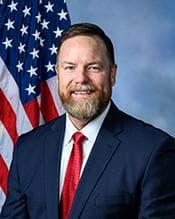
- Aaron Bean
- Cosponsors
- None
- Introduced
- In Committee
What this bill would do
This bill, known as the "DRAIN THE SWAMP Act," requires the head of every Executive agency to relocate at least 30 percent of their headquarters employees to duty stations outside the Washington metropolitan area. These new locations must be within the agency's own regions and should promote geographic diversity, including rural markets. Along with moving the employees, the bill mandates that their pay be recalculated based on their new location and that they are no longer authorized for full-time telework. Additionally, the Director of the Office of Management and Budget must direct agencies to reduce their owned or leased headquarters office space by at least 30 percent. The Act also establishes specific reporting requirements for agencies regarding their workforce and office space changes.
Yes· 3 of 7
Would people in rural areas be better off under this?+5
The bill promotes the movement of federal jobs and employees into rural markets.
Does this reduce what the federal government spends?+5
The bill mandates a 30 percent reduction in owned or leased headquarters office space to cut costs.
Does this make the government pay for what it commits to?+4
The bill seeks to optimize federal real estate holdings to reduce unnecessary expenditures.
The opposite· 3 of 6
Would union members be better off under this?-7
The bill reduces pay, eliminates full-time telework, and supersedes collective bargaining agreements.
Would people in cities be better off under this?-5
The bill reduces the economic footprint and employment density in the Washington metropolitan area.
Does this strengthen the rights of workers to organise?-5
The bill explicitly supersedes collective bargaining agreements and reduces employee pay based on new locations.
Who it would affect, and how
Potential Positive Impacts for People
-
Geographic Diversity and Rural Support: The bill directs agency heads to promote geographic diversity when choosing new duty stations, which includes consideration for rural markets (Section 3(b)(1)).
-
Improved Regional Service: By ensuring adequate staffing throughout agency regions, the bill aims to promote in-person customer service (Section 3(b)(2)).
Potential Negative Impacts for People
-
Pay Reductions: For employees whose permanent duty station is changed, their rate of pay must be recalculated based on the pay locality of the new duty station (Section 3(a)(2)(A)).
-
Loss of Telework Privileges: Employees whose duty stations are relocated will no longer be authorized to telework on a full-time basis (Section 3(a)(2)(B)). Furthermore, full-time teleworkers who remain in the Washington metropolitan area will also lose the authorization to telework on a full-time basis (Section 3(e)(2)(A)).
-
No Relocation Incentives: If an employee's official worksite changes from their residence to the agency headquarters, they are not eligible to be paid any relocation incentive (Section 6).
-
Limitation on Legal Challenges: The bill specifies that it does not establish a private cause of action to challenge any selection, change, decision, or action taken under the Act (Section 9).
Groups and Interests Ranking
Every group the model scored this bill for, from -10 to +10. Hover a score for the reason it gave.
- Demographic And Interest Groups
- Good For Rural Residents+5Good For Union Workers-7Good For Urban Residents-5Good For People With Disabilities-2
- Economy And Finance
- Reduces Government Spending+5Improves Fiscal Responsibility+4Reduces National Debt+3Improves Economic Growth+2Improves Union Protections-5
- Environment Energy And Infrastructure
- Improves Rural Development+4
- Governance And Ideology
- Improves Government Transparency+2Improves Due Process-4
- Social Issues And Justice
- Improves Disability Rights-2
- 2/13/2025
- Referred to the House Committee on Oversight and Government Reform.
- Introduced in House
One bill Congress.gov lists as related to this one — companions in the other chamber, earlier versions, and bills this one absorbed or was folded into.