Bill · H.R. 1274· House(119-HR-1274)
PROTECT Our Children Reauthorization Act of 2025
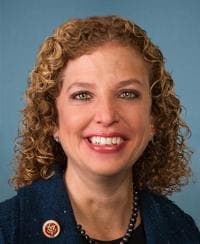
- Introduced
- 2/12/2025
- Last activity
- 2/12/2025 — Referred to the House Committee on the Judiciary.
- Sponsored by
- Debbie Wasserman Schultz
- Cosponsors
- - 1 - 4
- Introduced
- In Committee
What this bill would do
This bill updates and continues the PROTECT Our Children Act of 2008 to help law enforcement fight online child exploitation. It changes how often a national strategy report is made, moving it from every two years to every four years. The bill provides specific funding amounts for the Internet Crimes Against Children Task Force Program for fiscal years 2026, 2027, and 2028. It also adds new rules for task forces, including focusing on identifying child victims and working with more local and tribal groups. Additionally, the bill gives limited legal liability protection to task forces for certain case prioritization decisions, except in cases of intentional misconduct or recklessness.
Yes· 3 of 8
Would children be better off under this?+5
The bill strengthens the national strategy, coordination, and resources dedicated to preventing child exploitation and identifying child victims.
Does this change how police departments operate?+3
The bill enhances law enforcement capabilities through increased training, technical assistance, and expanded task force participation for Tribal and military agencies.
Would Native Americans be better off under this?+2
The bill expands the National ICAC Task Force Program to include Tribal law enforcement.
The opposite
Does this reduce what the federal government spends?-1
The bill increases the authorization of appropriations for the ICAC Grant Program through fiscal years 2026, 2027, and 2028.
Who it would affect, and how
Potential Positive Impacts for People
-
Section 2(c): This provision requires task forces to focus on identifying child victims and prioritizing investigations that are most likely to result in rescuing children, which can directly help protect and save abused kids.
-
Section 2(c): Task forces are directed to work with more groups, including probation and parole agencies, child advocacy centers, and child protective services, which can create a stronger and more supportive network to protect children.
-
Section 2(f): This section ensures that at least 20 percent of grant funds go toward training, wellness training, tools, and technical assistance for members of the task force, which helps law enforcement officers do their jobs safely and effectively.
Potential Negative Impacts for People
- Section 2(b): This provision gives task forces and participating law enforcement agencies limited liability protection from civil claims or criminal charges when making decisions about prioritizing internet crime leads, which could make it harder for individuals to hold officers accountable in court for poor prioritization choices.
Groups and Interests Ranking
Every group the model scored this bill for, from -10 to +10. Hover a score for the reason it gave.
- Demographic And Interest Groups
- Good For Children+5Good For Native Americans+2Good For Veterans+1
- Social Issues And Justice
- Improves Policing Reform+3Improves Racial Equity+2
- Education And Technology
- Increases Scientific Research Funding+2
- Economy And Finance
- Reduces Government Spending-1
- Governance And Ideology
- Improves Government Transparency+1
- National Security And Foreign Policy
- Improves Veterans Benefits+1
- 10/17/2025
- 1 Cosponsor added.
- 3/10/2025
- 1 Cosponsor added.
- 2/12/2025
- Referred to the House Committee on the Judiciary.
- 3 Cosponsors added.
- Introduced in House
2 bills Congress.gov lists as related to this one — companions in the other chamber, earlier versions, and bills this one absorbed or was folded into.
 Carol Miller
Republican · West Virginia
 Jared Moskowitz
Democrat · Florida
 Nathaniel Moran
Republican · Texas
 Derek Schmidt
Republican · Kansas
 Jefferson Van Drew
Republican · New Jersey