Bill · H.R. 1080· House(119-HR-1080)
No Solar Panels on Fertile Farmland Act of 2025
- Introduced
- 2/6/2025
- Last activity
- 2/6/2025 — Referred to the House Committee on Ways and Means.
- Sponsored by
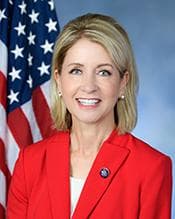
- Mary Miller
- Cosponsors
- None
- Introduced
- In Committee
What this bill would do
The "No Solar Panels on Fertile Farmland Act of 2025" aims to amend the Internal Revenue Code of 1986. It seeks to exclude property and facilities located on prime farmland from specific renewable energy and clean energy credits. This includes exclusions for the residential clean energy credit, the renewable electricity production credit, and the energy credit. Additionally, it affects the clean electricity investment credit and the clean electricity production credit. These changes apply to property or facilities placed in service or construction beginning after the act's enactment.
Yes· 3 of 5
Would farmers be better off under this?+6
The bill protects the ability of farmers to maintain their land for agricultural use rather than solar energy production.
Does this better protect air, water and wildlife?+5
The bill protects prime farmland from being converted into solar energy facilities.
Would people in rural areas be better off under this?+4
The bill preserves the agricultural character and land use of rural communities.
The opposite· 3 of 5
Does this put more money into wind, solar and other renewable power?-6
The bill reduces renewable energy investment by eliminating tax credits for facilities located on prime farmland.
Does this cut taxes for middle-income families?-5
The bill removes the residential clean energy credit for property placed on prime farmland, which could increase costs for middle-class homeowners using such land.
Does this cut the pollution that drives climate change?-4
By removing incentives for renewable energy on prime farmland, the bill may slow the transition to clean energy.
Who it would affect, and how
Potential Positive Impacts for People
- Protection of Prime Farmland: The bill limits the use of specific tax credits for property or facilities placed on land determined by the Secretary of Agriculture to be prime farmland (Section 2, Section 3, Section 4, and Section 5).
Potential Negative Impacts for People
-
Loss of Residential Clean Energy Credits: Expenditures allocable to property placed in service on prime farmland would no longer be taken into account for the residential clean energy credit (Section 2).
-
Loss of Renewable Electricity Production Credits: Facilities located on prime farmland would no longer be considered "qualified facilities" for the renewable electricity production credit (Section 3).
-
Loss of Energy Credits: Property located on prime farmland is excluded from certain energy credits (Section 4).
-
Loss of Clean Electricity Investment Credits: Expenditures for property placed in service on prime farmland would not be taken into account for the clean electricity investment credit (Section 5).
-
Loss of Clean Electricity Production Credits: Facilities located on prime farmland would be excluded from being considered "qualified facilities" for the clean electricity production credit (Section 6).
Groups and Interests Ranking
Every group the model scored this bill for, from -10 to +10. Hover a score for the reason it gave.
- Demographic And Interest Groups
- Good For Farmers+6Good For Rural Residents+4Good For Middle Class Households-3Good For Low Income Households-2
- Economy And Finance
- Reduces Government Spending+3Reduces Middle Class Taxes-5
- Environment Energy And Infrastructure
- Improves Environmental Protections+5Improves Rural Development+3Increases Renewable Energy Investment-6Reduces Carbon Emissions-4
- 2/6/2025
- Sponsor introductory remarks on measure. (CR H519)
- Referred to the House Committee on Ways and Means.
- Introduced in House