Bill · H.R. 10739· House(119-HR-10739)
Strengthening the Medical Examiner and Coroner System Act of 2026
- Introduced
- 10/5/2026
- Last activity
- 10/5/2026 — Referred to the Committee on Energy and Commerce, and in addition to the Committee on Ways and Means, for a period to be subsequently determined by the Speaker, in each case for consideration of such provisions as fall within the jurisdiction of the committee concerned.
- Sponsored by
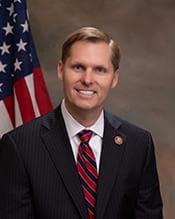
- Michael Guest
- Cosponsors
- - 0 - 1
- Introduced
- In Committee
What this bill would do
This legislation, known as the Strengthening the Medical Examiner and Coroner System Act of 2026, aims to address shortages in the forensic pathology workforce. It directs the Secretary of Health and Human Services to award grants to eligible graduate medical education programs, medical examiner or coroner offices, and forensic toxicology laboratories. The bill supports forensic pathology fellowships, training for medicolegal death investigators, and education for forensic toxicologists and pharmacologists. It requires the Secretary to consider geographic distribution and rural needs, including communities with high rates of opioid use disorder, when awarding grants. Additionally, the legislation authorizes appropriations of $13,000,000 for each of fiscal years 2028 through 2032 to carry out these programs.
Yes· 3 of 10
Would people in their twenties and thirties be better off under this?+4
Medical school graduates and early-career professionals entering forensic pathology fellowships benefit directly from funded salaries and educational expenses.
Would people in rural areas be better off under this?+4
Section 779(h) requires consideration of the unique needs of rural communities, particularly those with provider shortages and high opioid use disorder rates.
Does this do more about addiction and overdose deaths?+4
The legislation directs the Secretary to prioritize rural communities and areas with high rates of opioid use disorder when distributing grants.
The opposite
Does this reduce what the federal government spends?-2
The legislation authorizes appropriations of $13,000,000 annually for fiscal years 2028 through 2032 to fund grants.
Who it would affect, and how
Potential Positive Impacts for People
-
Support for Forensic Pathology Fellowships: Section 779(e)(1)(A) provides grant funds to pay for salary, fringe benefits, and educational expenses for individuals in forensic pathology fellowships, which helps encourage medical school graduates to enter this field.
-
Training for Death Investigators: Section 779(e)(1)(B) funds continuing education and training for medicolegal death investigators to help them obtain and maintain professional certification.
-
Enhancing Forensic Toxicology: Section 779(e)(1)(C) assists eligible entities in providing education and training for toxicologists and pharmacologists to gain competency and professional certifications in advanced and emerging methods.
-
Tax Relief for Recipients: Section 779(g) ensures that payment amounts and other benefits received by individuals under this section are not taxable to them.
-
Focus on Underserved Areas: Section 779(h) requires the Secretary to consider the geographic distribution of funds, the balance between rural and urban areas, and the unique needs of rural communities with shortages or high rates of opioid use disorder.
Potential Negative Impacts for People
- Based on the text provided, there are no explicitly identified negative consequences or burdens for individuals or groups of people in the United States.
Groups and Interests Ranking
Every group the model scored this bill for, from -10 to +10. Hover a score for the reason it gave.
- Demographic And Interest Groups
- Good For Rural Residents+4Good For Young Adults+4
- Healthcare
- Improves Opioid Crisis Response+4Improves Healthcare Access+3
- Economy And Finance
- Increases Job Creation+4Reduces Middle Class Taxes+3Reduces Government Spending-2
- Environment Energy And Infrastructure
- Improves Rural Development+4
- Education And Technology
- Increases Scientific Research Funding+3
- Social Issues And Justice
- Improves Policing Reform+3
- Governance And Ideology
- Increases Federal Power+2
- 10/5/2026
- Referred to the Committee on Energy and Commerce, and in addition to the Committee on Ways and Means, for a period to be subsequently determined by the Speaker, in each case for consideration of such provisions as fall within the jurisdiction of the committee concerned.
- 1 Cosponsor added.
- Introduced in House
 Emanuel Cleaver
Democrat · Missouri