Bill · H.R. 10704· House(119-HR-10704)
Direct CARE Opportunity Act of 2026
- Introduced
- 10/1/2026
- Last activity
- 10/1/2026 — Referred to the Committee on Education and Workforce, and in addition to the Committee on Energy and Commerce, for a period to be subsequently determined by the Speaker, in each case for consideration of such provisions as fall within the jurisdiction of the committee concerned.
- Sponsored by
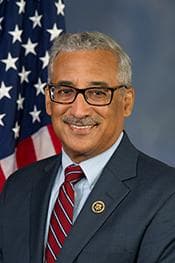
- Robert Scott
- Cosponsors
- - 3 - 0
- Introduced
- In Committee
What this bill would do
This bill directs the Secretary of Labor to award grants for recruiting, retaining, and advancing direct care workers. Eligible entities include states, labor organizations, and various nonprofit and tribal groups that submit an application detailing their strategies. The funded strategies can include education and training programs, career pathways, and providing supportive services or better wages. Grant recipients must provide reports on their progress, and the Secretary of Labor must submit a final report to Congress. Additionally, the bill provides funding for a national technical assistance center to support these efforts.
Yes· 3 of 22
Would people over 65 be better off under this?+7
Older adults needing direct care services benefit from expanded workforce capacity, reduced unmet care needs, and better-trained care personnel.
Would people with disabilities be better off under this?+7
The bill enhances home and community-based services and promotes independence and self-determination for individuals with significant disabilities.
Does this make health care easier to get in general?+7
By expanding and supporting the direct care workforce, the bill improves access to home and community-based health services for older adults and individuals with disabilities.
The opposite
No question was scored the opposite.
Who it would affect, and how
Potential Positive Impacts for People
-
Section 3(a) and Section 5(a)(2)(D) allow grant funds to be used to provide wages, compensation, benefits, and supportive services to direct care workers or individuals training to be direct care workers, which can help recruit and retain workers and financially support individuals entering the field.
-
Section 4(a)(2)(E) includes an assurance that eligible entities will not charge program participants who are direct care workers or trainees for any education, training, supportive services, or other benefits provided under the activity, removing financial barriers for workers.
-
Section 4(a)(2)(G) ensures that eligible entities provide safe work and training environments, including personal protective equipment and an environment free from discrimination, retaliation, and violence, which protects the health and safety of workers.
-
Section 5(a)(2)(A) requires education and training programs to instruct participants on the rights of care recipients to receive services in integrated settings, exercise self-determination, and remain free from abuse and discrimination, which benefits individuals receiving direct care.
Potential Negative Impacts for People
- Section 5(b) limits the administrative costs that eligible entities can use from the grant to no more than 7 percent, which could potentially place a tight administrative burden on organizations trying to manage and evaluate complex programs.
Groups and Interests Ranking
Every group the model scored this bill for, from -10 to +10. Hover a score for the reason it gave.
- Demographic And Interest Groups
- Good For People With Disabilities+7Good For Seniors+7Good For Low Income Households+6Good For Retirees+6Good For Women+6Good For Rural Residents+5Good For Students+5Good For Union Workers+5Good For African Americans+4Good For Hispanic Americans+4Good For Native Americans+4Good For Veterans+4Good For Young Adults+4
- Social Issues And Justice
- Improves Disability Rights+6Improves Poverty Reduction+5Improves Racial Equity+4Reduces Homelessness+3
- Healthcare
- Improves Healthcare Access+7Improves Veterans Healthcare+4
- Economy And Finance
- Increases Job Creation+6Improves Economic Growth+3
- Governance And Ideology
- Improves Government Transparency+4
- 10/9/2026
- 1 Cosponsor added.
- 10/1/2026
- Referred to the Committee on Education and Workforce, and in addition to the Committee on Energy and Commerce, for a period to be subsequently determined by the Speaker, in each case for consideration of such provisions as fall within the jurisdiction of the committee concerned.
- 2 Cosponsors added.
- Introduced in House
One bill Congress.gov lists as related to this one — companions in the other chamber, earlier versions, and bills this one absorbed or was folded into.
 Adelita Grijalva
Democrat · Arizona
 Susie Lee
Democrat · Nevada
 John Mannion
Democrat · New York