Bill · H.R. 10695· House(119-HR-10695)
United States Submarine Cable Security Policy Act of 2026
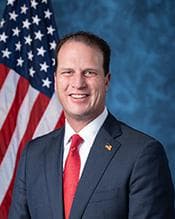
- Introduced
- 10/1/2026
- Last activity
- 10/1/2026 — Referred to the House Committee on Energy and Commerce.
- Sponsored by
- August Pfluger
- Cosponsors
- - 0 - 1
- Introduced
- In Committee
What this bill would do
The H.R. 10695 bill, known as the United States Submarine Cable Security Policy Act of 2026, sets new requirements for landing and operating submarine cables in the United States. It shifts licensing authority from the President to the Federal Communications Commission (FCC) and requires the creation of a general security policy to address potential security concerns. The bill establishes standard and enhanced security measures that applicants must follow, including cybersecurity and physical security risk management plans. It also creates a streamlined application and review process, including self-certification options for certain qualified applicants. Finally, the legislation enforces these rules through the Communications Act of 1934 to hold license holders accountable.
Yes· 3 of 5
Does this better protect the country from computer attacks?+7
The bill mandates physical security, supply chain security, and risk management plans to protect critical submarine cable infrastructure from cyber threats and foreign interference.
Does this make it easier to run a small business?+5
The bill establishes a streamlined consideration timeline and self-certification process for submarine cable licenses, reducing bureaucratic burdens for telecommunications businesses.
Does this get reliable internet to more people?+5
By streamlining the licensing and approval process for submarine cables, the bill facilitates the deployment of critical international telecommunications infrastructure.
The opposite
No question was scored the opposite.
Who it would affect, and how
Potential Positive Impacts for People
-
Section 2(a)(2)(A) and Section 2(a)(2)(B) require physical security, supply chain security, and the implementation of cybersecurity and physical security risk management plans. Why it is positive: This protects critical communication infrastructure from foreign interference and cyber threats, helping keep the American people's data safe.
-
Section 7(b) of the Cable Landing License Act introduces streamlined consideration timelines, requiring the FCC to act on applications within 45 days unless referred for a national security review. Why it is positive: This reduces bureaucratic delays for businesses and individuals trying to build necessary telecommunications infrastructure.
-
Section 7(b)(2)(B) of the Cable Landing License Act establishes a deemed approval process if the FCC fails to act within the required timeframe. Why it is positive: This holds elected and appointed officials accountable to strict deadlines, preventing government inaction from stalling projects indefinitely.
Potential Negative Impacts for People
-
Section 2(a)(3) of the Act and Section 7(d) of the Cable Landing License Act allow for enhanced security measures and additional security requirements when national security risks are identified. Why it is negative: These extra requirements could impose heavier regulatory and financial burdens on individuals or companies attempting to launch communication projects.
-
Section 7(c) of the Cable Landing License Act allows applications to be referred to the Committee for review if they involve foreign adversaries or cannot meet self-certification rules. Why it is negative: Delays caused by this referral can extend the review process up to one full year, adding uncertainty and expense for applicants.
-
Section 7(e)(2) of the Cable Landing License Act applies strict enforcement mechanisms from the Communications Act of 1934 for any security violations. Why it is negative: License holders face severe penalties and regulatory enforcement actions if they fail to comply with the mandated security measures.
Groups and Interests Ranking
Every group the model scored this bill for, from -10 to +10. Hover a score for the reason it gave.
- National Security And Foreign Policy
- Improves Cybersecurity Defense+7
- Economy And Finance
- Improves Small Business Support+5
- Education And Technology
- Improves Internet Access+5
- Demographic And Interest Groups
- Good For Business Owners+4
- Governance And Ideology
- Improves Government Transparency+4
- 10/1/2026
- Referred to the House Committee on Energy and Commerce.
- 1 Cosponsor added.
- Introduced in House
 Robert Menendez
Democrat · New Jersey