Bill · H.R. 10689· House(119-HR-10689)
Remedial Education Improvement Act
- Introduced
- 10/1/2026
- Last activity
- 10/1/2026 — Referred to the House Committee on Education and Workforce.
- Sponsored by
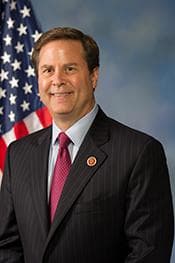
- Donald Norcross
- Cosponsors
- None
- Introduced
- In Committee
What this bill would do
This bill establishes a grant program to improve remedial education programs at institutions of higher education. Under section 3, the Secretary of Education will award competitive grants to eligible entities for a period of five years. These grants are designed to support five specific models of remedial education, including aligned coursework, accelerated coursework, modular instructional methods, co-requisite models, and systemic reform. The legislation also requires rigorous independent evaluations, data collection, and reporting on the effectiveness of these programs. Additionally, section 4 provides an exception to the student unit record ban to allow for the operation of this new grant program.
Yes· 3 of 10
Does this put more money into public schools?+6
The bill authorizes $162.5 million annually for competitive grants to improve remedial education programs at institutions of higher education.
Does this give people more control over their personal data?+5
The bill establishes strict prohibitions against selling student data to third parties and unlawfully disclosing personally identifiable information collected under the grant program.
Would students be better off under this?+5
Students needing remedial education benefit from evidence-based support models, data protections, and targeted program improvements funded by the grants.
The opposite
No question was scored the opposite.
Who it would affect, and how
Potential Positive Impacts for People
-
Grants for Student Success: Under Section 3, specifically subsection (a), the bill establishes a grant program with a minimum award of $500,000 to improve remedial education in higher education. This funding helps schools better prepare students for postsecondary-level courses and complete their education.
-
Support for Low-Income Students: Under Section 3, specifically subsection (e)(2), the Secretary is required to give preference to eligible entities that primarily serve low-income students. This helps direct resources to the people and communities that need financial assistance the most.
-
Strict Data Privacy Protections: Under Section 3, specifically subsection (i), the bill makes it unlawful to willfully disclose personally identifiable information and prohibits the sale of data to third parties. This protects student privacy and ensures that collected data cannot be used for law enforcement activities, debt collection, or immigration enforcement.
Potential Negative Impacts for People
- Matching Funds Requirement: Under Section 3, specifically subsection (f)(2), eligible entities receiving a grant must provide an amount equal to 10 percent of the grant from non-Federal sources. This financial burden might make it difficult for some institutions with limited resources to apply, unless they qualify for specific exceptions like Tribal Colleges or Universities.
Groups and Interests Ranking
Every group the model scored this bill for, from -10 to +10. Hover a score for the reason it gave.
- Education And Technology
- Increases Public School Funding+6Improves Data Privacy+5Improves College Affordability+4
- Demographic And Interest Groups
- Good For Students+5Good For Low Income Households+4Good For Young Adults+4
- Governance And Ideology
- Improves Privacy Rights+5Improves Government Transparency+4
- Economy And Finance
- Improves Economic Growth+2
- Social Issues And Justice
- Improves Poverty Reduction+2
- 10/1/2026
- Referred to the House Committee on Education and Workforce.
- Introduced in House