Bill · H.R. 10676· House(119-HR-10676)
Foster Youth Dental Act of 2026
- Introduced
- 10/1/2026
- Last activity
- 10/1/2026 — Referred to the House Committee on Energy and Commerce.
- Sponsored by
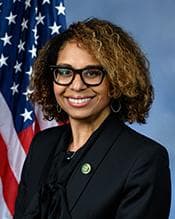
- Sydney Kamlager-Dove
- Cosponsors
- - 0 - 1
- Introduced
- In Committee
What this bill would do
The bill is known as the Foster Youth Dental Act of 2026. It amends the Social Security Act to strengthen Medicaid coverage for certain foster youth individuals. Specifically, it expands certain health and dental services for foster youth and former foster youth under the age of 26. The legislation also provides payment rates and incentives for dentists providing these services. Additionally, it increases the Federal medical assistance percentage for states covering these additional dental expenses. Finally, the bill requires states to establish outreach and enrollment programs for eligible former foster children and participating dentists.
Yes· 3 of 7
Would people in their twenties and thirties be better off under this?+8
The bill directly benefits former foster youth and young adults up to age 26 by expanding access to critical health and dental services.
Does this make health care easier to get in general?+8
The bill expands EPSDT and dental services for foster youth and former foster youth under age 26 and sets minimum payment rates to encourage dentist participation.
Does this put more money into Medicaid, the health coverage for people on low incomes?+7
The bill increases federal medical assistance percentages and funding for expanded dental coverage and outreach under Medicaid for former foster youth.
The opposite
No question was scored the opposite.
Who it would affect, and how
Potential Positive Impacts for People
-
Expansion of EPSDT and Dental Services for Young Adults: Under section 2(a), the bill expands Early and Periodic Screening, Diagnostic, and Treatment (EPSDT) services and dental service information for specified individuals under the age of 26 who are in foster care or were in foster care upon attaining age 18. This is positive because it ensures older foster youth continue receiving necessary health and dental screenings and information on maintaining good oral health.
-
Minimum Payment Rates for Dentists: Section 2(b) requires state Medicaid plans to pay dentists a specified average rate for dental services furnished to specified individuals under the age of 26. This might be considered positive because setting a fair minimum payment rate can encourage more dentists to accept Medicaid patients, increasing access to care.
-
Outreach and Enrollment Programs: Section 2(c) requires states to establish outreach and enrollment programs to increase the enrollment of eligible former foster children into the State plan, as well as outreach programs to dentists to encourage them to become participating providers. This is positive as it helps connect eligible youth and providers to the benefits and services they need.
Groups and Interests Ranking
Every group the model scored this bill for, from -10 to +10. Hover a score for the reason it gave.
- Demographic And Interest Groups
- Good For Young Adults+8Good For Low Income Households+6Good For Students+3
- Healthcare
- Improves Healthcare Access+8Increases Medicaid Funding+7
- Governance And Ideology
- Increases Federal Power+3
- Social Issues And Justice
- Improves Poverty Reduction+3
- 10/1/2026
- Referred to the House Committee on Energy and Commerce.
- 1 Cosponsor added.
- Introduced in House
 Don Bacon
Republican · Nebraska