Bill · H.R. 10661· House(119-HR-10661)
Beyond the Box for Higher Education Act of 2026
- Introduced
- 10/1/2026
- Last activity
- 10/1/2026 — Referred to the House Committee on Education and Workforce.
- Sponsored by
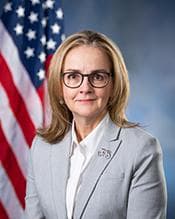
- Madeleine Dean
- Cosponsors
- - 1 - 0
- Introduced
- In Committee
What this bill would do
This bill amends the Higher Education Act of 1965 to direct the Secretary of Education to issue guidance and recommendations for colleges and universities regarding the removal of criminal and juvenile justice questions from their admissions applications. It requires the Department of Education to consult with the Department of Justice and community stakeholders when developing this guidance. The legislation encourages schools to determine if collecting this background information is truly necessary for admissions. If schools keep these questions, the bill recommends delaying when they ask for the information until after an admission decision has been made. Additionally, the bill provides training, technical assistance, and a resource center to help institutions implement policies that support students with criminal or juvenile justice histories.
Yes· 3 of 9
Would people in their twenties and thirties be better off under this?+4
Young adults and juveniles with justice system involvement benefit from reduced application barriers for college admissions.
Would Black Americans be better off under this?+4
Black Americans, who are disproportionately impacted by criminal justice involvement, benefit from policies that remove admissions barriers.
Would students be better off under this?+4
Prospective students with criminal or juvenile justice histories gain clearer pathways and targeted support services to pursue higher education.
The opposite
No question was scored the opposite.
Who it would affect, and how
Potential Positive Impacts for People
-
Reduction of admissions barriers for individuals with records: Under Section 3 (adding Section 124(a)(2)(A) of the Higher Education Act of 1965), colleges are recommended to remove criminal and juvenile justice questions from their admissions applications, which can help people with a record successfully reenter society and pursue higher education.
-
Delaying background checks until after admission: Under Section 3 (adding Section 124(a)(2)(C)(i)), if a school decides it must ask about criminal history for admissions, it is recommended to delay the request or consideration of that information until after an admission decision has been made, preventing a chilling effect on qualified applicants.
-
Transparency and justification for denials: Under Section 3 (adding Section 124(a)(2)(C)(ii)), if admission is denied or rescinded based solely on criminal or juvenile justice involvement, schools are recommended to provide notice and justification to the applicant within 30 days.
-
Targeted support and training for staff: Under Section 3 (adding Section 124(a)(3)(B)), the bill provides training for financial aid personnel, career counselors, and campus staff to help formerly incarcerated or juvenile-adjudicated individuals navigate work study programs, campus employment, and potential career barriers.
Potential Negative Impacts for People
-
Retention of background inquiries by schools: Under Section 3 (adding Section 124(a)(2)(C)), the bill only recommends—rather than mandates—that institutions remove criminal and juvenile justice questions from admissions, meaning schools can still choose to ask these questions and potentially penalize applicants.
-
Continued data collection in non-admissions settings: Under Section 3 (adding Section 124(a)(2)(B)), even if schools remove questions from admissions, they may still inquire about criminal or juvenile justice history in non-admissions interactions, which could still subject individuals to stigma and questioning.
Groups and Interests Ranking
Every group the model scored this bill for, from -10 to +10. Hover a score for the reason it gave.
- Demographic And Interest Groups
- Good For African Americans+4Good For Students+4Good For Young Adults+4Good For Hispanic Americans+3Good For Low Income Households+3
- Social Issues And Justice
- Improves Racial Equity+4Improves Poverty Reduction+3
- Education And Technology
- Increases Public School Funding+2
- Governance And Ideology
- Improves Government Transparency+2
- 10/1/2026
- Referred to the House Committee on Education and Workforce.
- 1 Cosponsor added.
- Introduced in House
 Troy Carter
Democrat · Louisiana