Bill · H.R. 10660· House(119-HR-10660)
AID Local Government Leadership Act
- Introduced
- 10/1/2026
- Last activity
- 10/1/2026 — Referred to the House Committee on Education and Workforce.
- Sponsored by
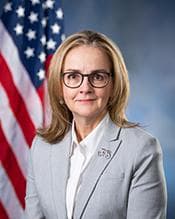
- Madeleine Dean
- Cosponsors
- - 1 - 0
- Introduced
- In Committee
What this bill would do
This bill establishes a community grant program administered by the Secretary of Labor to support local governments that elect or appoint a person with a disability. The program provides funding for reasonable accommodations so these officials can carry out their official work duties. Eligible local governments must be in rural areas, have a population under 10,000, or have a population between 10,000 and 200,000 with a poverty rate of 18 percent or greater. Grants will range from $3,000 to $50,000 per year and are awarded on a first-come, first-served basis until funds run out. The legislation authorizes $5,000,000 to be appropriated for each of fiscal years 2027 through 2033.
Yes· 3 of 7
Would people with disabilities be better off under this?+8
The bill directly supports local elected or appointed officials with disabilities by funding necessary workplace accommodations.
Does this expand the rights of people with disabilities?+7
The bill establishes a grant program to provide reasonable accommodations for elected or appointed local officials with disabilities.
Would people in rural areas be better off under this?+5
The legislation specifically provides support and funding opportunities for rural local governments.
The opposite
Does this reduce what the federal government spends?-2
The bill authorizes $5,000,000 in appropriations annually for fiscal years 2027 through 2033 for the community grant program.
Does this leave more decisions to the states?-1
Federal involvement in local government administration is increased via federally prescribed reporting and matching requirements.
Who it would affect, and how
Potential Positive Impacts for People
-
Support for Officials with Disabilities: Under Section 4(a), grants can be used to provide reasonable accommodations like physical adaptations of office spaces, specialized software, sign language interpreters, and transportation services for work events. This helps elected or appointed officials with disabilities perform their jobs.
-
Building Long-Term Funding Capacity: Under Section 4(e)(1)(B), eligible entities must provide non-Federal matching funds equal to at least 25 percent of the grant amount and maintain a funding account for at least 4 years after the grant period. This helps local governments build consistent and adequate funding for future accommodations.
Potential Negative Impacts for People
-
Financial Burden on Local Governments: Under Section 4(e)(1)(B)(ii), local governments are required to provide non-Federal matching funds equal to not less than 25 percent of the grant amount for each fiscal year. This could be a financial strain for small or impoverished local governments.
-
Strict Limits and Competition for Funds: Under Section 4(b)(1), grants are awarded on a first-come, first-served basis until the appropriated funds are exhausted. Local governments that apply late may miss out on needed funding entirely.
Groups and Interests Ranking
Every group the model scored this bill for, from -10 to +10. Hover a score for the reason it gave.
- Demographic And Interest Groups
- Good For People With Disabilities+8Good For Rural Residents+5Good For Low Income Households+3
- Social Issues And Justice
- Improves Disability Rights+7
- Environment Energy And Infrastructure
- Improves Rural Development+5
- Governance And Ideology
- Improves Government Transparency+4Increases Federal Power+2Increase States Rights-1
- Economy And Finance
- Reduces Government Spending-2
- 10/1/2026
- Referred to the House Committee on Education and Workforce.
- 1 Cosponsor added.
- Introduced in House
 Mary Gay Scanlon
Democrat · Pennsylvania