Bill · H.R. 10636· House(119-HR-10636)
Medicaid Fraud Prevention Act
- Introduced
- 9/28/2026
- Last activity
- 9/28/2026 — Referred to the House Committee on Energy and Commerce.
- Sponsored by
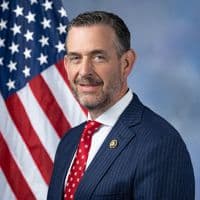
- Michael Rulli
- Cosponsors
- - 6 - 0
- Introduced
- In Committee
What this bill would do
The bill is called the Medicaid Fraud Prevention Act. It requires states to conduct regular fraud risk assessments under the Medicaid program. States must complete these assessments not later than one year after the enactment of the subsection and annually thereafter. Additionally, states must implement corrective action plans to address any identified vulnerabilities. States are also required to submit annual reports to the Secretary, who will then submit a report to Congress.
Yes· 3 of 5
Does this make what the government does easier for the public to see?+4
The bill mandates annual reporting by states to the Secretary and subsequent reports to Congress analyzing fraud findings and corrective actions.
Does this reduce what the federal government spends?+3
Requiring states to conduct regular Medicaid fraud risk assessments and corrective action plans helps reduce improper payments and government waste.
Does this make the government pay for what it commits to?+3
The bill enhances fiscal responsibility by holding states accountable for identifying and addressing vulnerabilities and improper expenditures in the Medicaid program.
The opposite
Does this leave more decisions to the states?-1
States are mandated to comply with specific federal fraud risk assessment timelines, corrective action plans, and reporting standards.
Who it would affect, and how
Potential Positive Impacts for People
- Section 2 (adding Section 1902(zz)(1)(B)): States are required to implement a corrective action plan not later than 90 days after completing a fraud risk assessment to address any vulnerabilities identified. This is positive because it ensures that identified weaknesses, waste, and abuse do not just sit on paper, but are actively corrected with measurable outcomes and specific deadlines.
Potential Negative Impacts for People
Based on the provided text, there are no specific sections or provisions identified that outline negative consequences or burdens for individuals or groups of people in the United States.
Groups and Interests Ranking
Every group the model scored this bill for, from -10 to +10. Hover a score for the reason it gave.
- Economy And Finance
- Improves Fiscal Responsibility+3Reduces Government Spending+3
- Governance And Ideology
- Improves Government Transparency+4Increases Federal Power+2Increase States Rights-1
- Healthcare
- Increases Medicaid Funding+2
- 10/1/2026
- 1 Cosponsor added.
- 9/28/2026
- Referred to the House Committee on Energy and Commerce.
- 5 Cosponsors added.
- Introduced in House
 Cliff Bentz
Republican · Oregon
 Andy Biggs
Republican · Arizona
 Earl Carter
Republican · Georgia
 Michelle Fischbach
Republican · Minnesota
 Brad Finstad
Republican · Minnesota
 David Taylor
Republican · Ohio