Bill · H.R. 10625· House(119-HR-10625)
Medicaid Integrity Improvement Act
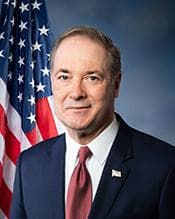
- Introduced
- 9/28/2026
- Last activity
- 9/28/2026 — Referred to the House Committee on Energy and Commerce.
- Sponsored by
- John Joyce
- Cosponsors
- - 5 - 0
- Introduced
- In Committee
What this bill would do
This bill is known as the Medicaid Integrity Improvement Act. It changes the Social Security Act to require State Medicaid fraud control units to do yearly audits. Starting one year after the law is enacted, these groups must audit a valid sample of high-risk providers and suppliers. They must also include a summary of these audits in their annual report to the Secretary. If an entity does not meet this requirement, the Secretary can still certify them if they submit and use an acceptable corrective action plan.
Yes· 3 of 6
Does this make what the government does easier for the public to see?+4
The bill requires state entities to include a summary of audits, overpayments identified, and collections in their annual reports.
Does this make the government pay for what it commits to?+3
Requiring state Medicaid fraud control units to audit high-risk providers improves oversight and financial accountability.
Does this reduce what the federal government owes?+2
The bill requires audits that identify and collect overpayments, which can recover mismanaged funds for the government.
The opposite
Does this leave more decisions to the states?-1
The legislation places mandatory federal oversight and audit requirements on state Medicaid fraud control units.
Who it would affect, and how
Potential Positive Impacts for People
-
Better Fraud Detection: Under Section 2 (adding paragraph (8)(A)), State Medicaid fraud control units are required to audit a statistically valid sample of high-risk providers and suppliers at least once a year. This helps find potential fraud, waste, and abuse to protect the system.
-
Public Accountability: Under Section 2 (adding paragraph (8)(B)), the entities must include a summary of their audits in their annual report, including details on the overpayments they identified and collected. This lets the public and officials see what work is being done to recover mismanaged funds.
Potential Negative Impacts for People
- Added Burdens for Providers: Under Section 2 (adding paragraph (8)(D)), providers and suppliers who are labeled as high-risk due to abnormal billing patterns, ownership changes, or other risk factors will face mandatory annual audits. This could create extra administrative burdens and stress for those specific providers and suppliers.
Groups and Interests Ranking
Every group the model scored this bill for, from -10 to +10. Hover a score for the reason it gave.
- Economy And Finance
- Improves Fiscal Responsibility+3Reduces Government Spending+2Reduces National Debt+2
- Governance And Ideology
- Improves Government Transparency+4Increases Federal Power+2Increase States Rights-1
- Healthcare
- Increases Medicaid Funding+2
- 9/28/2026
- Referred to the House Committee on Energy and Commerce.
- 5 Cosponsors added.
- Introduced in House
One bill Congress.gov lists as related to this one — companions in the other chamber, earlier versions, and bills this one absorbed or was folded into.
 Gus Bilirakis
Republican · Florida
 Troy Balderson
Republican · Ohio
 Earl Carter
Republican · Georgia
 Mike Kennedy
Republican · Utah
 August Pfluger
Republican · Texas