Bill · H.R. 10582· House(119-HR-10582)
Motion Picture, Television, and Entertainment Revitalization Act
- Introduced
- 9/24/2026
- Last activity
- 9/24/2026 — Referred to the House Committee on Ways and Means.
- Sponsored by
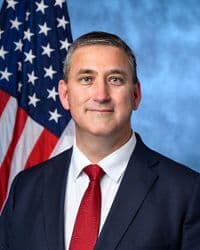
- Nathaniel Moran
- Cosponsors
- - 10 - 11
- Introduced
- In Committee
What this bill would do
This bill amends the Internal Revenue Code of 1986 to create a tax credit for American film and television productions. To qualify, productions must cost more than $1,000,000 and have a major portion of their principal photography or visual effects completed within the United States. The baseline tax credit percentage is 20 percent of qualified compensation paid for services in the United States. This percentage can increase by up to 30 percent based on specific factors like filming in rural opportunity zones or disaster areas. The legislation also allows taxpayers to transfer this tax credit to others. Productions like talk shows, news, sports, advertisements, and social media videos are explicitly excluded from receiving the credit.
Yes· 3 of 7
Would business owners be better off under this?+5
Production companies and independent producers benefit directly from the transferable tax credit established by the bill.
Is this likely to create jobs?+5
The bill establishes a tax credit for film and television productions to encourage filming and job creation within the United States.
Would people in rural areas be better off under this?+4
The bill provides additional tax credit incentives for film and television productions located in rural qualified opportunity zones.
The opposite
No question was scored the opposite.
Who it would affect, and how
Potential Positive Impacts for People
-
Section 2(a) - SEC. 45BB(d)(2): Individuals or groups living in rural qualified opportunity zones or federally declared disaster areas may benefit because film and television productions are given an increased tax credit percentage if a specific portion of their filming occurs in these locations. This may bring jobs and economic investment to struggling or recovering communities.
-
Section 2(a) - SEC. 45BB(d)(3): Independent producers receive a 5 percentage point increase in their tax credit. This helps smaller, non-corporate production companies compete in the entertainment industry by lowering their operational costs.
-
Section 2(a) - SEC. 45BB(e) and (f): Workers specializing in visual effects and traditional post-production activities within the United States can benefit, as their specific projects are included for tax credit eligibility even if the main filming occurred outside the country, provided certain domestic cost thresholds are met.
Potential Negative Impacts for People
-
Section 2(a) - SEC. 45BB(b)(2): Workers and companies involved in specific types of media—such as talk shows, news programming, live sporting events, radio, award shows, and content made for social media—are completely excluded from the tax credit. This means individuals working in these specific entertainment sectors will not benefit from the financial incentives provided by the bill.
-
Section 2(a) - SEC. 45BB(b)(1)(E): Productions with a total cost of $1,000,000 or less do not qualify for the tax credit. Smaller budget creators and local independent artists whose projects fall under this cost threshold are barred from receiving the benefit.
Groups and Interests Ranking
Every group the model scored this bill for, from -10 to +10. Hover a score for the reason it gave.
- Demographic And Interest Groups
- Good For Business Owners+5Good For Rural Residents+4Good For Veterans+3
- Economy And Finance
- Increases Job Creation+5Improves Small Business Support+4Improves Economic Growth+3
- Environment Energy And Infrastructure
- Improves Rural Development+4
- 10/9/2026
- 6 Cosponsors added.
- 10/5/2026
- 2 Cosponsors added.
- 10/1/2026
- 4 Cosponsors added.
- 9/28/2026
- 2 Cosponsors added.
- 9/24/2026
- Referred to the House Committee on Ways and Means.
- 7 Cosponsors added.
- Introduced in House
 Andy Barr
Republican · Kentucky
 Judy Chu
Democrat · California
 Earl Carter
Republican · Georgia
 Mike Carey
Republican · Ohio
 Brian Fitzpatrick
Republican · Pennsylvania
 Vince Fong
Republican · California
 Laura Friedman
Democrat · California
 Josh Gottheimer
Democrat · New Jersey
 Brian Jack
Republican · Georgia
 David Kustoff
Republican · Tennessee
 Blake Moore
Republican · Utah
 Mariannette Miller-Meeks
Republican · Iowa
 Dave Min
Democrat · California
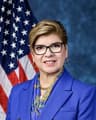 Nellie Pou
Democrat · New Jersey
 David Rouzer
Republican · North Carolina
 Brad Sherman
Democrat · California
 Linda Sánchez
Democrat · California
 Thomas Suozzi
Democrat · New York
 Melanie Stansbury
Democrat · New Mexico
 Andrea Salinas
Democrat · Oregon
 George Whitesides
Democrat · California