Bill · H.R. 10548· House(119-HR-10548)
To amend the African Growth and Opportunity Act to exclude from eligibility each sub-Saharan African country that does not effectively enforce its environmental laws and fulfill its international environmental obligations.
- Introduced
- 9/24/2026
- Last activity
- 9/24/2026 — Referred to the House Committee on Ways and Means.
- Sponsored by
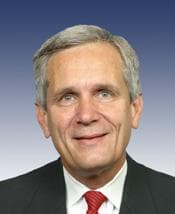
- Lloyd Doggett
- Cosponsors
- - 4 - 0
- Introduced
- In Committee
What this bill would do
This bill amends the African Growth and Opportunity Act to change the rules for sub-Saharan African countries to be eligible for the program. Under Section 1, countries must now effectively enforce their environmental laws, regulations, and other legal measures. They also must fulfill their international environmental obligations, including public health obligations. Furthermore, the bill makes a conforming amendment to the Trade Act of 1974 regarding the date requirements are in effect when the President makes a designation.
Yes
Does this better protect air, water and wildlife?+4
The bill requires sub-Saharan African countries to effectively enforce environmental laws and fulfill international environmental obligations to remain eligible for trade benefits.
Does this give the federal government more power?+2
The legislation increases federal oversight regarding the designation criteria for foreign countries participating in the African Growth and Opportunity Act.
Does this strengthen ties with allied countries?+2
The bill encourages international environmental and public health compliance among trading partners, potentially strengthening multilateral standards.
The opposite
Does this make trade with other countries easier?-3
The bill adds stricter environmental enforcement requirements for sub-Saharan African countries to maintain trade eligibility under the African Growth and Opportunity Act, potentially restricting trade access if countries fail to comply.
Would immigrants be better off under this?-2
Stricter trade and economic conditions abroad resulting from lost program eligibility could negatively impact communities with ties to the affected countries.
Would farmers be better off under this?-2
Changes to trade eligibility criteria could potentially disrupt agricultural imports and trade dynamics with sub-Saharan African nations.
Who it would affect, and how
Potential Positive Impacts for People
-
Section 1 requires sub-Saharan African countries to effectively enforce their environmental laws, regulations, and other legal measures to remain eligible for the program. This could be positive because it pushes countries to protect their environments and hold themselves accountable to legal standards.
-
Section 1 mandates that these countries must fulfill their international environmental obligations, including public health obligations. This is a benefit because it links trade eligibility directly to meeting public health and international environmental commitments.
Potential Negative Impacts for People
- Section 1 adds the requirement that sub-Saharan African countries must effectively enforce their environmental laws and fulfill international environmental and public health obligations to be eligible. This could be a burden or have negative consequences for individuals or groups if a country fails to meet these new standards and loses its eligibility under the African Growth and Opportunity Act.
Groups and Interests Ranking
Every group the model scored this bill for, from -10 to +10. Hover a score for the reason it gave.
- Demographic And Interest Groups
- Good For Farmers-2Good For Immigrants-2
- Environment Energy And Infrastructure
- Improves Environmental Protections+4
- Governance And Ideology
- Increases Federal Power+2
- National Security And Foreign Policy
- Improves International Alliances+2Improves International Trade-3
- 9/24/2026
- Referred to the House Committee on Ways and Means.
- 4 Cosponsors added.
- Introduced in House
One bill Congress.gov lists as related to this one — companions in the other chamber, earlier versions, and bills this one absorbed or was folded into.
 Dwight Evans
Democrat · Pennsylvania
 Steven Horsford
Democrat · Nevada
 John Larson
Democrat · Connecticut
 Terri Sewell
Democrat · Alabama