Bill · H.R. 10543· House(119-HR-10543)
PREP Act
- Introduced
- 9/24/2026
- Last activity
- 9/24/2026 — Referred to the Committee on the Judiciary, and in addition to the Committee on Veterans' Affairs, for a period to be subsequently determined by the Speaker, in each case for consideration of such provisions as fall within the jurisdiction of the committee concerned.
- Sponsored by
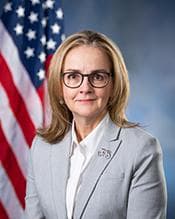
- Madeleine Dean
- Cosponsors
- None
- Introduced
- In Committee
What this bill would do
This bill establishes an Office of Prison Education within the Bureau of Prisons to oversee and improve educational programs across all Federal correctional facilities. It creates a Federal Prison Education Program to partner with eligible providers to deliver adult literacy, high school education, postsecondary degrees, and workforce training. The legislation also sets up a nationwide clearinghouse for research and best practices regarding prison education for both Federal and State institutions. Additionally, the bill directs the Secretary of Veterans Affairs to provide outreach and connect incarcerated veterans with educational assistance and counseling. Finally, it allocates $170,000,000 from amounts appropriated to the Bureau of Prisons for fiscal years 2027 through 2033 to carry out the program.
Yes· 3 of 16
Would students be better off under this?+6
The creation of the Federal Prison Education Program directly turns incarcerated individuals into students with access to adult basic education, high school diplomas, and postsecondary credentials.
Does this make college cost less?+6
The bill expands access to postsecondary education and career programs for incarcerated individuals through structured provider partnerships.
Would people with disabilities be better off under this?+5
The legislation specifically mandates that correctional education services include expanded and tailored opportunities for individuals with disabilities.
The opposite
No question was scored the opposite.
Who it would affect, and how
Potential Positive Impacts for People
-
Access to Quality Education and Training Programs: Under Section 4 of the bill (adding new 18 U.S.C. 4142(c) and 4143), the Office of Prison Education and the Federal Prison Education Program ensure that incarcerated individuals in all Federal facilities have access to adult literacy, basic skills development, high school diplomas, postsecondary education, workforce development, pre-apprenticeships, and career and technical education. This is positive because it helps prepare individuals for the contemporary workforce and supports successful community reintegration.
-
Support and Resources for Incarcerated Veterans: Under Section 7, the Secretary of Veterans Affairs, in coordination with the Director and State correctional agencies, must conduct outreach to inform incarcerated veterans about educational assistance, connect them to quality prison education programs, provide financial aid counseling, and supply a resource guide for post-release education and job placement. This is positive because it directly helps veterans utilize benefits they have earned to further their education and career prospects.
-
Post-Release Guidance and Counseling: Under Section 4 (adding new 18 U.S.C. 4143(c)(2)), participating education providers must offer released students academic advising, financial aid counseling, career counseling, and job placement assistance. This is positive because it helps individuals successfully transition back into society and find employment after release.
Potential Negative Impacts for People
-
Restriction on Veterans' Financial Benefits During Incarceration: Under Section 7(b)(1), an incarcerated veteran with a felony conviction is prohibited from receiving any monthly housing stipend or subsistence allowance while incarcerated. This could be considered a burden or negative consequence for the individual because it withholds specific financial support payments while they are serving time, even if they are pursuing education.
-
Reduction of Educational Assistance Based on Other Funding: Under Section 7(b)(2), the Secretary of Veterans Affairs must reduce the amount of educational assistance provided to an incarcerated veteran for tuition, fees, supplies, books, and equipment by an amount equal to any costs paid by another Federal, State, or local program. This is a negative consequence for the veteran because it prevents them from receiving full duplicate funding from multiple government sources for the same educational expenses.
Groups and Interests Ranking
Every group the model scored this bill for, from -10 to +10. Hover a score for the reason it gave.
- Demographic And Interest Groups
- Good For Students+6Good For People With Disabilities+5Good For Low Income Households+4Good For Middle Aged+4Good For Young Adults+4Good For Veterans+3
- Social Issues And Justice
- Improves Disability Rights+5Improves Criminal Sentencing Reform+4Improves Poverty Reduction+4Reduces Homelessness+3
- Economy And Finance
- Improves Fiscal Responsibility+4Improves Economic Growth+3
- Education And Technology
- Improves College Affordability+6
- Governance And Ideology
- Improves Government Transparency+3Increases Federal Power+3
- National Security And Foreign Policy
- Improves Veterans Benefits+4
- 9/24/2026
- Referred to the Committee on the Judiciary, and in addition to the Committee on Veterans' Affairs, for a period to be subsequently determined by the Speaker, in each case for consideration of such provisions as fall within the jurisdiction of the committee concerned.
- Introduced in House
4 bills Congress.gov lists as related to this one — companions in the other chamber, earlier versions, and bills this one absorbed or was folded into.