Bill · H.R. 10542· House(119-HR-10542)
Combating Pasture Mealybug Act
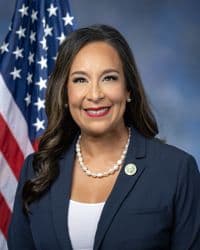
- Introduced
- 9/24/2026
- Last activity
- 9/24/2026 — Referred to the House Committee on Agriculture.
- Sponsored by
- Monica De La Cruz
- Cosponsors
- - 18 - 0
- Introduced
- In Committee
What this bill would do
This bill is known as the Combating Pasture Mealybug Act. It directs the Secretary of Agriculture to study and report on strategies to combat the invasive pasture mealybug and to enhance the preparedness and response capabilities of the United States. The text highlights that pasture mealybugs are invasive insects that stunt plant development and threaten grazing land and commercial crops like sugarcane. Within 90 days of enactment, the Secretary must conduct a comprehensive study on the current state of United States preparedness. Within 6 months of enactment, the Secretary must submit a report detailing the findings and providing recommendations to Congress.
Yes· 3 of 7
Would farmers be better off under this?+5
The bill addresses the threat of invasive pasture mealybugs to livestock and commercial crops, directly benefiting agricultural producers.
Does this invest in rural communities?+4
By assessing the threat of the pasture mealybug to livestock and crops, the bill supports rural agricultural communities.
Does this make what the government does easier for the public to see?+4
The bill requires the Secretary of Agriculture to submit a comprehensive report to Congress and make it publicly available.
The opposite
No question was scored the opposite.
Who it would affect, and how
Potential Positive Impacts for People
-
Under Section 3(b)(1), the Secretary of Agriculture must analyze the current threat posed by the pasture mealybug, including economic impacts on the livestock industry and commercial crops. This could benefit agricultural producers by providing a clear picture of the threat.
-
Under Section 3(b)(2) and Section 3(b)(4), the bill reviews containment and control capabilities and examines emergency response plans. This might benefit individuals by improving the nation's readiness to protect grazing land and crops.
-
Under Section 3(c), the Secretary must consult with agricultural producers, industry associations, wildlife management agencies, scientific experts, and State and local agricultural officials. This ensures that the people most affected have a voice in the process.
-
Under Section 3(d), the Secretary must make the final report publicly available. This holds our officials accountable and keeps the public informed about what is being done.
Potential Negative Impacts for People
- The provided text does not explicitly outline any potential negative impacts, burdens, or consequences for individuals or groups of people in the United States.
Groups and Interests Ranking
Every group the model scored this bill for, from -10 to +10. Hover a score for the reason it gave.
- Environment Energy And Infrastructure
- Improves Rural Development+4Improves Environmental Protections+3
- Demographic And Interest Groups
- Good For Farmers+5
- Governance And Ideology
- Improves Government Transparency+4
- Economy And Finance
- Improves Small Business Support+3
- Education And Technology
- Increases Scientific Research Funding+3
- Healthcare
- Increases Research Funding+3
- 10/1/2026
- 3 Cosponsors added.
- 9/28/2026
- 2 Cosponsors added.
- 9/24/2026
- Referred to the House Committee on Agriculture.
- 13 Cosponsors added.
- Introduced in House
 Brian Babin
Republican · Texas
 Kat Cammack
Republican · Florida
 John Carter
Republican · Texas
 Michael Cloud
Republican · Texas
 Jake Ellzey
Republican · Texas
 Pat Fallon
Republican · Texas
 Lance Gooden
Republican · Texas
 Brandon Gill
Republican · Texas
 Ronny Jackson
Republican · Texas
 Julia Letlow
Republican · Louisiana
 Morgan Luttrell
Republican · Texas
 Nathaniel Moran
Republican · Texas
 Pete Sessions
Republican · Texas
 Keith Self
Republican · Texas
 David Valadao
Republican · California
 Beth Van Duyne
Republican · Texas
 Randy Weber
Republican · Texas
 Roger Williams
Republican · Texas