Bill · H.R. 10530· House(119-HR-10530)
Quality Educator Partnership Act
- Introduced
- 9/24/2026
- Last activity
- 9/24/2026 — Referred to the House Committee on Education and Workforce.
- Sponsored by
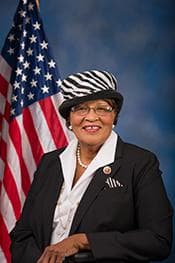
- Alma Adams
- Cosponsors
- - 3 - 0
- Introduced
- In Committee
What this bill would do
This bill, titled the Quality Educator Partnership Act, aims to support educators and address critical shortages in the teaching workforce. It establishes new federal offices within the Department of Education focused on the educator workforce and educational technology. The legislation authorizes grants for educator preparation programs, state workforce design initiatives, and research to improve teacher retention and student achievement. Additionally, it creates a National Educator Service Corps to provide scholarships and stipends to students entering high-need teaching fields in exchange for a service commitment. The bill also mandates comprehensive data collection on educator preparation and performance across the country.
Yes· 3 of 30
Does this put more money into public schools?+8
The bill authorizes billions of dollars in federal grants for public school educator preparation, staffing, and professional development.
Would children be better off under this?+6
By addressing teacher shortages and improving educator training, the bill directly enhances educational quality and student achievement for children.
Would people in their twenties and thirties be better off under this?+6
Young adults entering the teaching profession benefit from substantial scholarships, living stipends, and clinical residency pay.
The opposite
Does this make the government pay for what it commits to?-2
The legislation authorizes billions of dollars in new federal spending and grants without offsetting revenue measures.
Who it would affect, and how
Potential Positive Impacts for People
-
Financial Support for Future Teachers: Under Section 302, eligible students enrolled in teacher preparation programs for high-need fields can receive scholarships up to $15,000 per year, monthly living stipends, and a $25,000 annual stipend for a one-year clinical residency. This helps ease the financial burden on individuals training to become educators.
-
Targeted Help for High-Need Schools: Section 213 and Subtitle B of Title II provide grants to partnerships and states to improve recruitment, preparation, and staffing in high-need schools and areas facing severe teacher shortages. This ensures that underserved communities receive better-supported and well-prepared educators.
-
Civil Rights and Equity Oversight: Section 103 requires annual evaluations of the Department of Education's Office for Civil Rights staffing and resources to ensure compliance with civil rights laws. This provision protects equal access to a high-quality education and profession-ready educators for every student regardless of race, income, or disability.
Potential Negative Impacts for People
-
Service Obligations and Repayment Penalties: Under Section 302, students who accept scholarships and stipends through the National Educator Service Corps must agree to work as full-time teachers in a qualifying high-need school for a specific number of years. If a participant fails to complete this service obligation or program requirements, the financial assistance they received is converted into a federal loan that must be repaid with interest, which could create significant debt for individuals who cannot finish their service.
-
Data Collection and Reporting Burdens: Section 105 mandates extensive data collection and reporting requirements for states and educator preparation programs regarding teacher credentials, vacancies, retention rates, and student performance. While intended to track workforce needs, these complex reporting demands may place a heavy administrative burden on local educational agencies and institutions.
Groups and Interests Ranking
Every group the model scored this bill for, from -10 to +10. Hover a score for the reason it gave.
- Demographic And Interest Groups
- Good For Children+6Good For Students+6Good For Young Adults+6Good For Low Income Households+5Good For Rural Residents+5Good For African Americans+4Good For Hispanic Americans+4Good For Native Americans+4Good For Union Workers+4Good For Urban Residents+4Good For Asian Americans+3Good For Immigrants+3Good For Middle Class Households+3Good For People With Disabilities+3Good For Veterans+3Good For Women+3
- Education And Technology
- Increases Public School Funding+8Improves College Affordability+6Increases Scientific Research Funding+5Improves Student Loan Relief+4Improves Internet Access+2
- Governance And Ideology
- Improves Government Transparency+4Increase States Rights+3Increases Federal Power+3
- Social Issues And Justice
- Improves Racial Equity+4Improves Disability Rights+3Improves Poverty Reduction+3
- Economy And Finance
- Increases Job Creation+4Improves Economic Growth+3Improves Fiscal Responsibility-2
- Environment Energy And Infrastructure
- Improves Rural Development+4
- 9/24/2026
- Referred to the House Committee on Education and Workforce.
- 3 Cosponsors added.
- Introduced in House
 Suzanne Bonamici
Democrat · Oregon
 Jahana Hayes
Democrat · Connecticut
 Emilia Sykes
Democrat · Ohio