Bill · H.R. 10529· House(119-HR-10529)
A River Runs Through It Act
- Introduced
- 9/21/2026
- Last activity
- 9/21/2026 — Referred to the House Committee on Natural Resources.
- Sponsored by
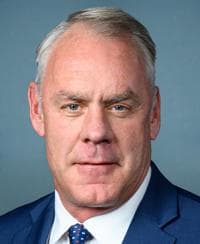
- Ryan Zinke
- Cosponsors
- - 1 - 0
- Introduced
- In Committee
What this bill would do
This bill, titled the A River Runs Through It Act, aims to provide restoration, economic development, recreation, and conservation on federal lands in the State of Montana. It designates various specific areas across the state as restoration areas, backcountry areas, recreation areas, winter recreation areas, wilderness areas, and conservation management areas. The legislation outlines management guidelines for these designated lands, including rules for vegetation management, wildfire prevention, motorized and non-motorized vehicle use, and livestock grazing. Additionally, the bill addresses the establishment of new trails, assesses shooting range accessibility, and includes provisions protecting private property rights, state fish and wildlife jurisdiction, and Tribal treaty rights.
Yes· 3 of 16
Does this better protect air, water and wildlife?+7
The legislation establishes new wilderness areas, conservation management areas, and restoration areas to protect ecosystems and wildlife habitats.
Does this better protect public land such as parks and forests?+7
The bill establishes clear frameworks for managing restoration areas, backcountry areas, and wilderness areas to reduce wildfire risks and enhance forest health.
Would people in rural areas be better off under this?+6
The legislation directly impacts rural Montana communities by balancing forest restoration, wildfire risk reduction, and recreational opportunities.
The opposite
Does this reduce how much oil, gas and coal is produced?-4
The bill withdraws specified federal lands from mineral leasing and mining laws, restricting future fossil fuel and mineral extraction.
Would business owners be better off under this?-2
Withdrawing certain federal lands from mineral leasing and mining laws places limitations on commercial resource extraction industries.
Who it would affect, and how
Potential Positive Impacts for People
-
Section 102 and Section 104: These sections prioritize forest restoration, reducing the threat of uncharacteristic wildfires, and protecting wildlife habitats and watersheds in restoration and backcountry areas. This benefits people by lowering wildfire risks near communities and improving overall ecosystem health.
-
Section 201, Section 202, and Section 204: These sections designate specific recreation and winter recreation areas, allow for over-snow and motorized vehicle use where appropriate, and authorize the construction of new motorized and non-motorized trails. These provisions provide positive outcomes for outdoor enthusiasts by enhancing recreational opportunities such as mountain biking, off-highway vehicle riding, and snowmobiling.
-
Section 402, Section 403, and Section 404: These miscellaneous provisions explicitly protect private property rights from being altered, preserve the State's jurisdiction over fish and wildlife, and ensure that Tribal treaty rights and tribally managed lands are not diminished or abrogated. These measures protect the legal and traditional rights of private landowners, state agencies, and Native American Tribes.
Potential Negative Impacts for People
-
Section 104 and Section 201: These sections withdraw federal land within backcountry areas and recreation areas from all forms of entry, appropriation, disposal, and mining laws. This could negatively impact individuals or industries reliant on public land development, mineral leasing, or mining operations within those specific zones.
-
Section 102 and Section 203: These sections place restrictions on road construction and public use, specifically stating that temporary roads in restoration areas shall not be open for public use and prohibiting commercial timber harvests and most motorized vehicles within the over-snow vehicle trail corridor. These restrictions could burden individuals who might desire unrestricted access or commercial use of these specific forest areas.
-
Section 301 and Section 303: These sections designate new wilderness areas and conservation management areas where motorized vehicles are strictly limited to existing designated roads and trails, and new system or temporary roads are generally prohibited. Such limitations could cause negative consequences for visitors or local users who prefer motorized access to these newly protected acres.
Groups and Interests Ranking
Every group the model scored this bill for, from -10 to +10. Hover a score for the reason it gave.
- Demographic And Interest Groups
- Good For Rural Residents+6Good For Native Americans+5Good For Gun Owners+4Good For Children+3Good For Farmers+3Good For Middle Aged+3Good For Middle Class Households+3Good For Young Adults+3Good For Retirees+2Good For Seniors+2Good For Business Owners-2
- Environment Energy And Infrastructure
- Improves Environmental Protections+7Improves Public Land Management+7Improves Rural Development+5Reduces Carbon Emissions+4Reduces Fossil Fuel Production-4
- Governance And Ideology
- Increase States Rights+4
- Economy And Finance
- Improves Economic Growth+3
- 10/5/2026
- 1 Cosponsor added.
- 9/21/2026
- Referred to the House Committee on Natural Resources.
- Introduced in House
 Troy Downing
Republican · Montana