Bill · H.R. 10528· House(119-HR-10528)
To amend the Financial Literacy and Education Improvement Act to include secondary schools in best practices for teaching financial literacy, and for other purposes.
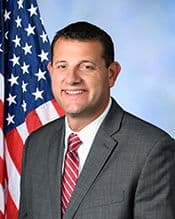
- Introduced
- 9/21/2026
- Last activity
- 9/21/2026 — Referred to the Committee on Financial Services, and in addition to the Committee on Education and Workforce, for a period to be subsequently determined by the Speaker, in each case for consideration of such provisions as fall within the jurisdiction of the committee concerned.
- Sponsored by
- David Valadao
- Cosponsors
- - 1 - 1
- Introduced
- In Committee
What this bill would do
This bill amends the Financial Literacy and Education Improvement Act to include secondary schools in best practices for teaching financial literacy. It was introduced in the House of Representatives by Mr. Valadao on September 21, 2026. The legislation directs attention toward how secondary schools educate students about money management. It outlines specific financial education topics that apply directly to secondary schools. These topics range from budgeting and investing to understanding credit and avoiding financial scams. Ultimately, the bill aims to help students prepare for postsecondary education financing options.
Yes· 3 of 7
Would students be better off under this?+6
The entire focus of the bill is on improving secondary school students' understanding of budgeting, investing, credit, and postsecondary education financing.
Would children be better off under this?+5
The legislation directly updates best practices for financial literacy in secondary schools, benefiting school-aged children.
Would people in their twenties and thirties be better off under this?+4
Teaching high school students budgeting, credit, and postsecondary financing options prepares them well for early adulthood.
The opposite
No question was scored the opposite.
Who it would affect, and how
Potential Positive Impacts for People
-
Section 1: This section adds secondary schools to the best practices for teaching financial literacy, updating the date requirement to January 1, 2027. This is positive because it helps ensure high school students learn essential money skills early on.
-
Section 1: Under the new best practices for secondary schools, students will learn methods to create a budget, track expenses, and save for financial objectives. This provision is beneficial as it gives young people practical tools for managing their everyday money.
-
Section 1: The text introduces ways to save and invest money, including introducing students to different financial securities. This can be considered a positive outcome because it builds foundational knowledge for long-term wealth building.
-
Section 1: Students will receive information on the fundamentals of credit, including credit scores and responsible credit card usage. This helps individuals avoid costly credit mistakes as they enter adulthood.
-
Section 1: The bill teaches critical thinking skills to evaluate financial products, make informed decisions, and avoid financial scams. This protects everyday people from predatory practices and fraud.
-
Section 1: It provides methods to ensure students clearly understand postsecondary education financing options and student loan borrowing. This prepares students and their families to make better financial choices before enrolling in higher education.
Potential Negative Impacts for People
- There are no negative impacts explicitly found within the provided text.
Groups and Interests Ranking
Every group the model scored this bill for, from -10 to +10. Hover a score for the reason it gave.
- Demographic And Interest Groups
- Good For Students+6Good For Children+5Good For Young Adults+4Good For Low Income Households+3Good For Middle Class Households+3
- Social Issues And Justice
- Improves Poverty Reduction+3
- Education And Technology
- Increases Public School Funding+2
- 10/1/2026
- 1 Cosponsor added.
- 9/21/2026
- Referred to the Committee on Financial Services, and in addition to the Committee on Education and Workforce, for a period to be subsequently determined by the Speaker, in each case for consideration of such provisions as fall within the jurisdiction of the committee concerned.
- 1 Cosponsor added.
- Introduced in House
 Vince Fong
Republican · California
 Brittany Pettersen
Democrat · Colorado