Bill · H.R. 10486· House(119-HR-10486)
Relief Without Delay Act
- Introduced
- 9/17/2026
- Last activity
- 9/17/2026 — Referred to the Committee on Transportation and Infrastructure, and in addition to the Committees on Science, Space, and Technology, and Financial Services, for a period to be subsequently determined by the Speaker, in each case for consideration of such provisions as fall within the jurisdiction of the committee concerned.
- Sponsored by
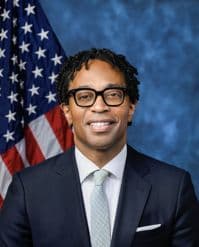
- Wesley Bell
- Cosponsors
- - 20 - 2
- Introduced
- In Committee
What this bill would do
This bill ensures that the Federal Emergency Management Agency (FEMA) can keep running its disaster relief and recovery operations even if the government runs out of regular appropriations. It prohibits the diversion of money from the Disaster Relief Fund during a shutdown and labels FEMA operations as essential to protect human life and property. The legislation also requires FEMA to submit regular monthly reports on fund obligations and disbursements to Congress and make them available to the public. Additionally, the bill directs the Secretary of Housing and Urban Development to conduct unmet housing needs assessments following major disasters. Finally, it creates a joint program with the National Oceanic and Atmospheric Administration (NOAA) to improve tornado detection and establishes a grant program for community tornado resilience.
Yes· 3 of 12
Does this improve help for people hit by a disaster?+9
The bill ensures uninterrupted FEMA disaster relief operations during government shutdowns and protects the Disaster Relief Fund from diversion.
Does this make what the government does easier for the public to see?+6
The bill mandates regular public reporting on Disaster Relief Fund obligations and disbursements on FEMA's website.
Would children be better off under this?+5
The bill funds storm shelters in schools and improves tornado warning systems to protect children during severe weather.
The opposite
No question was scored the opposite.
Who it would affect, and how
Potential Positive Impacts for People
-
Section 2 ensures that FEMA will continue all disaster relief, recovery, and mitigation operations using the Disaster Relief Fund during a lapse in government appropriations. This is a positive outcome because it guarantees that Americans affected by disasters will not experience a pause in federal help due to budget gridlock in Washington.
-
Section 5 mandates that FEMA report monthly on all disaster fund obligations and disbursements, and requires that these reports be made publicly available on FEMA's website within 10 days. This holds our elected officials and government agencies accountable by giving the public clear, transparent data on how relief money is being spent.
-
Section 8 establishes a community tornado resilience grant program that prioritizes high-risk areas, underserved and low-income communities, and communities with limited access to existing warning systems or shelters. This provision directly benefits vulnerable populations by helping fund storm shelters, warning systems, and backup power where they are needed most.
Potential Negative Impacts for People
- The provided text does not contain any specific sections or provisions that outline negative consequences or burdens for individuals or groups of people in the United States.
Groups and Interests Ranking
Every group the model scored this bill for, from -10 to +10. Hover a score for the reason it gave.
- Demographic And Interest Groups
- Good For Children+5Good For Low Income Households+5Good For Rural Residents+5Good For Students+5Good For Farmers+4
- Environment Energy And Infrastructure
- Improves Disaster Relief And F E M A+9Improves Environmental Protections+4Improves Rural Development+4
- Social Issues And Justice
- Improves Affordable Housing+5Improves Poverty Reduction+4
- Governance And Ideology
- Improves Government Transparency+6
- Education And Technology
- Increases Scientific Research Funding+5
- 9/24/2026
- 2 Cosponsors added.
- 9/17/2026
- Referred to the Committee on Transportation and Infrastructure, and in addition to the Committees on Science, Space, and Technology, and Financial Services, for a period to be subsequently determined by the Speaker, in each case for consideration of such provisions as fall within the jurisdiction of the committee concerned.
- 20 Cosponsors added.
- Introduced in House
One bill Congress.gov lists as related to this one — companions in the other chamber, earlier versions, and bills this one absorbed or was folded into.
 Yassamin Ansari
Democrat · Arizona
 Sanford Bishop
Democrat · Georgia
 Nikki Budzinski
Democrat · Illinois
 Troy Carter
Democrat · Louisiana
 Cleo Fields
Democrat · Louisiana
 Lois Frankel
Democrat · Florida
 Brian Fitzpatrick
Republican · Pennsylvania
 Robert Garcia
Democrat · California
 Jeff Hurd
Republican · Colorado
 Henry Johnson
Democrat · Georgia
 Raja Krishnamoorthi
Democrat · Illinois
 Kweisi Mfume
Democrat · Maryland
 Frank Mrvan
Democrat · Indiana
 Jared Moskowitz
Democrat · Florida
 Christian Menefee
Democrat · Texas
 Josh Riley
Democrat · New York
 Brad Sherman
Democrat · California
 Darren Soto
Democrat · Florida
 Eric Sorensen
Democrat · Illinois
 Suhas Subramanyam
Democrat · Virginia
 Jill Tokuda
Democrat · Hawaii
 Debbie Wasserman Schultz
Democrat · Florida