Bill · H.R. 10468· House(119-HR-10468)
State Energy Oversight Act of 2026
- Introduced
- 9/16/2026
- Last activity
- 9/16/2026 — Referred to the House Committee on Energy and Commerce.
- Sponsored by
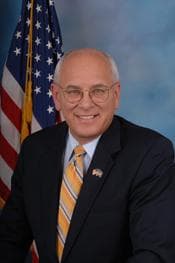
- Paul Tonko
- Cosponsors
- None
- Introduced
- In Committee
What this bill would do
This bill creates a program through the Department of Energy to give financial and technical help to State utility commissions. The main goal is to improve how states oversee electric and natural gas utilities so services are safe, reliable, and costs are fair. States can use the money to hire skilled staff, analyze energy affordability, and improve public participation in rate cases. It also funds independent public advocates and training programs for commission workers. Additionally, the bill requires yearly reports from states that are made public online.
Yes· 3 of 21
Does this make what the government does easier for the public to see?+6
The bill mandates public reporting of utility rates and commission proceedings online and maintains a national database through the Energy Information Administration.
Would households on low incomes be better off under this?+5
The legislation explicitly directs assistance toward analyzing energy affordability, supporting payment programs, and reducing barriers to utility assistance.
Does this give people more protection from unfair business practices?+5
The bill strengthens the oversight of electric and natural gas utilities to ensure safe and reliable services at just and reasonable rates.
The opposite
Does this reduce what the federal government spends?-2
The bill authorizes appropriations of $50,000,000 annually for fiscal years 2027 through 2031.
Who it would affect, and how
Potential Positive Impacts for People
-
Section 2(b)(1): This provision allows states to improve the technical and administrative capabilities of utility commissions, which can help them better analyze rate cases and study energy affordability for households.
-
Section 2(b)(2): This part aims to improve public transparency and participation by supporting public education, better event notifications, and offices of public participation.
-
Section 2(b)(3): This allows for the administration of an independent public advocate to intervene in rate cases specifically on behalf of residential and small business customers.
-
Section 2(b)(4): This supports intervenor funding programs, which help individuals and nonprofit groups represent the interests of regular customers and small businesses during utility proceedings.
-
Section 2(b)(6): This provision helps reduce barriers for customers trying to access energy bill assistance, weatherization programs, and other incentives by improving coordination between agencies and utilities.
Potential Negative Impacts for People
- Section 2(e)(3): If a State fails to fulfill its reporting requirements, the Secretary of State will withhold future assistance from that State and redistribute the money elsewhere, which could penalize local residents if their state government fails to report properly.
Groups and Interests Ranking
Every group the model scored this bill for, from -10 to +10. Hover a score for the reason it gave.
- Demographic And Interest Groups
- Good For Low Income Households+5Good For Business Owners+3Good For Middle Class Households+3Good For Retirees+3Good For Seniors+3Good For Farmers+2Good For Rural Residents+2Good For Students+2Good For Urban Residents+2Good For Veterans+2
- Economy And Finance
- Improves Consumer Protection+5Improves Small Business Support+4Increases Job Creation+3Improves Economic Growth+2Reduces Government Spending-2
- Governance And Ideology
- Improves Government Transparency+6Increase States Rights+3Increases Federal Power+2
- Environment Energy And Infrastructure
- Reduces Carbon Emissions+3Improves Rural Development+2
- Social Issues And Justice
- Improves Poverty Reduction+3Reduces Homelessness+2
- 9/16/2026
- Referred to the House Committee on Energy and Commerce.
- Introduced in House