Bill · H.R. 10467· House(119-HR-10467)
Data Center Fairness Fee Act of 2026
- Introduced
- 9/16/2026
- Last activity
- 9/16/2026 — Referred to the House Committee on Energy and Commerce.
- Sponsored by
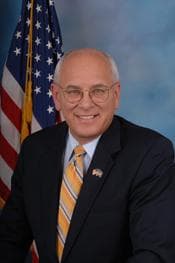
- Paul Tonko
- Cosponsors
- None
- Introduced
- In Committee
What this bill would do
This bill requires the Environmental Protection Agency to charge certain large facilities, like data centers and cryptocurrency mining operations, based on how much electricity they use. Beginning in 2027, these facilities will pay one cent per kilowatt-hour of total electricity consumed. Starting in 2028, facilities that use electricity with a high carbon intensity will face an additional charge of five cents per kilogram of greenhouse gas emissions. The bill also directs the EPA to set up reporting rules to track energy and water use and greenhouse gas emissions at these facilities. Finally, the money collected from these charges will be sent to states and Indian Tribes to fund low-income energy assistance, home energy efficiency programs, and efforts to lower residential utility bills.
Yes· 3 of 15
Does this put more rules on large technology companies?+6
The legislation establishes direct electricity consumption charges, emissions penalties, and mandatory reporting rules specifically targeting large data centers and cryptocurrency mining operations.
Does this cut the pollution that drives climate change?+5
The bill imposes financial charges on high-carbon electricity consumption by large facilities like data centers and crypto miners, incentivizing lower greenhouse gas emissions.
Would households on low incomes be better off under this?+5
Revenue from the electricity charges is specifically allocated to fund low-income home energy assistance and programs that directly reduce residential utility bills.
The opposite
Would business owners be better off under this?-4
Owners and operators of large data centers and cryptocurrency mining facilities face substantial new electricity consumption and carbon-intensity charges.
Who it would affect, and how
Potential Positive Impacts for People
- Lower Home Energy Bills and Assistance for Low-Income Families: Section 2 adds subsection (d) to the bill, which states that the funds collected from the electricity charges will be given to states and Indian Tribes. These funds must be used for programs like the Low-Income Home Energy Assistance Act of 1981, home energy efficiency programs, or approved programs that directly reduce residential utility bills for everyday people.
Potential Negative Impacts for People
- Potential for Higher Costs Passed to Consumers: Section 2 adds subsection (a) and subsection (b) to the bill, which impose direct financial charges of one cent per kilowatt-hour on electricity consumption and an extra five cents per kilogram of greenhouse gas emissions for high-pollution facilities. Because these rules apply to large data centers and cryptocurrency operations that provide digital services, there is a risk that facility owners might pass these new operational costs down to everyday consumers who use digital services and platforms.
Groups and Interests Ranking
Every group the model scored this bill for, from -10 to +10. Hover a score for the reason it gave.
- Environment Energy And Infrastructure
- Reduces Carbon Emissions+5Improves Environmental Protections+4Increases Renewable Energy Investment+4Improves Rural Development+2
- Governance And Ideology
- Improves Government Transparency+4Increase States Rights+3Increases Federal Power+3
- Demographic And Interest Groups
- Good For Low Income Households+5Good For Children+2Good For Middle Class Households+2Good For Rural Residents+2Good For Seniors+2Good For Business Owners-4
- Education And Technology
- Increases Big Tech Regulation+6
- Social Issues And Justice
- Improves Poverty Reduction+3
- Economy And Finance
- Reduces Government Spending+2
- 9/16/2026
- Referred to the House Committee on Energy and Commerce.
- Introduced in House