Bill · H.R. 10451· House(119-HR-10451)
Emergency Grant Aid for College Students Act
- Introduced
- 9/16/2026
- Last activity
- 9/16/2026 — Referred to the House Committee on Education and Workforce.
- Sponsored by
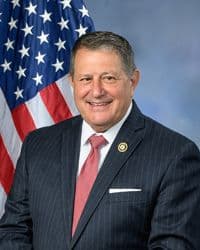
- Joseph Morelle
- Cosponsors
- None
- Introduced
- In Committee
What this bill would do
This bill establishes an emergency financial aid grant program for college students under the Higher Education Act of 1965. Under this program, the Secretary of Education will award grants to eligible colleges and universities so they can provide emergency financial aid directly to enrolled students. Schools applying for these funds must describe how they will process applications online, handle appeals, and quickly disburse money within ten business days of approval. The legislation prioritizes certain schools, such as community colleges, rural institutions, and those serving high percentages of Pell Grant recipients. Additionally, the bill ensures that these emergency grants will not count as taxable income or reduce a student's eligibility for other federal financial aid and public benefits.
Yes· 3 of 13
Would students be better off under this?+8
Enrolled college students receive direct financial relief for emergencies, online application options, fast disbursements, and protection for other financial aid.
Would people in their twenties and thirties be better off under this?+7
College-aged young adults benefit directly from emergency financial aid grants designed to help them stay enrolled during crises.
Would households on low incomes be better off under this?+7
Low-income students, particularly Pell Grant recipients, are prioritized for emergency grants and protected from losing other means-tested public benefits.
The opposite
No question was scored the opposite.
Who it would affect, and how
Potential Positive Impacts for People
-
Emergency Financial Support for Students: Section 2 adds Section 791(c)(1), which allows eligible schools to use grant funds to provide emergency financial aid directly to students facing financial challenges related to their cost of attendance or challenges that impact their ability to continue their studies. This helps students stay in school when unexpected crises hit.
-
Protection of Other Aid and Benefits: Section 2 adds Section 791(f), which explicitly states that these emergency grants will not be counted as income or assets when calculating a student's expected family contribution or student aid index for other federal financial aid, nor will they count against eligibility for other public benefits or be treated as taxable income. This ensures students do not lose existing safety-net benefits by accepting emergency college aid.
-
Broad Access Regardless of Immigration Status: Section 2 adds Section 791(g), which dictates that no individual shall be determined ineligible to receive benefits under this program on the basis of citizenship, alienage, or immigration status. This opens the emergency grants up to a wider group of enrolled students.
-
Fast Application and Dispersal Processes: Section 2 adds Section 791(b)(3)(E) and (F), requiring schools to offer an online application process, at least one opportunity to appeal a denial, and an assurance that approved funds will be acknowledged and funded within 10 business days. This cuts through red tape so students get help when they actually need it.
Potential Negative Impacts for People
-
Caps on Individual Awards: Section 2 adds Section 791(c)(2)(B), which places a cap on the emergency funds a student can receive, stating that an eligible student may not receive a cumulative amount in an academic year that is more than the maximum Federal Pell Grant available for that year. While intended to limit spending, this cap might restrict the amount of help severely distressed students can receive if their emergency costs exceed that maximum limit.
-
Restrictions on Federal Agency Cooperation: Section 3 prohibits the Secretary of Education from entering into agreements or sharing administrative functions, data collection, or oversight duties with any other federal agency regarding this Act. While this keeps the program strictly housed within the Department of Education, it could potentially create bureaucratic silos that slow down efficient multi-agency assistance or oversight for students who rely on multiple federal programs.
Groups and Interests Ranking
Every group the model scored this bill for, from -10 to +10. Hover a score for the reason it gave.
- Demographic And Interest Groups
- Good For Students+8Good For Low Income Households+7Good For Young Adults+7Good For Immigrants+6Good For Rural Residents+5Good For Middle Class Households+4
- Education And Technology
- Improves College Affordability+7Increases Public School Funding+6Improves Student Loan Relief+4
- Governance And Ideology
- Improves Government Transparency+3Increases Federal Power+2
- Social Issues And Justice
- Improves Poverty Reduction+5
- Economy And Finance
- Improves Economic Growth+3
- 9/16/2026
- Referred to the House Committee on Education and Workforce.
- Introduced in House
5 bills Congress.gov lists as related to this one — companions in the other chamber, earlier versions, and bills this one absorbed or was folded into.