Bill · H.R. 10440· House(119-HR-10440)
REACH Act
- Introduced
- 9/16/2026
- Last activity
- 9/16/2026 — Referred to the House Committee on Ways and Means.
- Sponsored by
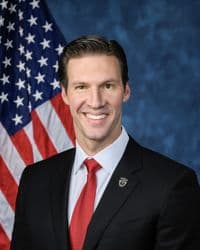
- Pat Harrigan
- Cosponsors
- - 1 - 1
- Introduced
- In Committee
What this bill would do
This bill is known as the Resources for Essential Access to Community Health Act or the REACH Act. It amends the Internal Revenue Code of 1986 to set up a refundable tax credit for health care providers working in rural areas. Eligible workers can receive a $10,000 tax credit for their employment. To qualify, workers must be employed for at least 900 hours during the taxable year in a rural area as specific types of health professionals. The credit is subject to a limitation based on adjusted gross income and will terminate for taxable years beginning after December 31, 2033.
Yes· 3 of 12
Would people in rural areas be better off under this?+6
The legislation directly targets rural communities to improve the recruitment and retention of essential health care professionals.
Does this make health care easier to get in general?+6
By offering a tax credit to rural health care providers, the bill incentivizes medical professionals to work in underserved rural communities.
Would middle-income households be better off under this?+5
Middle-income rural health professionals earning below the income threshold qualify for the $10,000 tax credit.
The opposite
No question was scored the opposite.
Who it would affect, and how
Potential Positive Impacts for People
-
Financial Support for Rural Health Workers: Under Section 2, adding section 36C(a) to the Internal Revenue Code, eligible rural health care providers are allowed a tax credit of $10,000. This could benefit individuals by putting money directly back into the pockets of those providing medical and mental health services in rural communities.
-
Support for a Variety of Medical Professions: Under Section 2, adding section 36C(b), the bill specifies that primary care practitioners, mental health professionals, nurses, and medical residents can qualify for the credit. This ensures that a diverse group of essential health workers in rural areas can potentially receive the benefit.
Potential Negative Impacts for People
- Income Restrictions on the Credit: Under Section 2, adding section 36C(c), the $10,000 credit is reduced if a taxpayer's adjusted gross income exceeds $170,000. This means that certain rural health care providers earning above that income threshold will receive a reduced benefit or no benefit at all.
Groups and Interests Ranking
Every group the model scored this bill for, from -10 to +10. Hover a score for the reason it gave.
- Demographic And Interest Groups
- Good For Rural Residents+6Good For Middle Class Households+5Good For Low Income Households+4Good For Middle Aged+4Good For Retirees+4Good For Seniors+4Good For Young Adults+4
- Healthcare
- Improves Healthcare Access+6Improves Mental Health Access+5
- Economy And Finance
- Reduces Middle Class Taxes+5
- Environment Energy And Infrastructure
- Improves Rural Development+5
- Social Issues And Justice
- Improves Poverty Reduction+3
- 9/16/2026
- Referred to the House Committee on Ways and Means.
- 2 Cosponsors added.
- Introduced in House
 Tom Barrett
Republican · Michigan
 Donald Davis
Democrat · North Carolina