Bill · H.R. 10433· House(119-HR-10433)
SAFE Platforms Act
- Introduced
- 9/16/2026
- Last activity
- 9/16/2026 — Referred to the House Committee on Energy and Commerce.
- Sponsored by
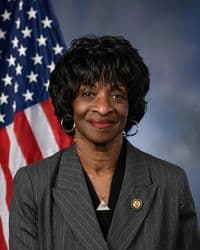
- Valerie Foushee
- Cosponsors
- - 0 - 1
- Introduced
- In Committee
What this bill would do
This bill, known as the SAFE Platforms Act, stops certain online platforms from helping create fraudulent content aimed at consumers. It requires platforms to give users an easy way to report scams and lets content creators submit counter-notices if their material gets removed by mistake. Platforms must also set up default privacy settings that lower fraud risks, such as hiding user accounts, media, and direct messaging from unconnected users unless the user chooses otherwise. Additionally, platforms must verify the identities of advertisers before letting them buy ads, with extra checks required for high-risk categories like financial services and health products. The Federal Trade Commission and state attorneys general are given the power to enforce these rules, and injured individuals can also bring civil actions in court.
Yes· 3 of 14
Does this give people more protection from unfair business practices?+8
The bill protects consumers from online fraud by requiring platforms to implement scam reporting, advertiser verification, and default privacy settings.
Does this put more rules on large technology companies?+7
The bill imposes new anti-fraud requirements, advertiser verification rules, and default privacy mandates on large interactive online platforms.
Does this give people more control over their personal data?+7
The legislation requires covered platforms to set default privacy settings that reduce fraud vulnerability by hiding accounts, media, and direct messaging from unconnected users.
The opposite
Would business owners be better off under this?-3
Legitimate business owners and creators may face burdensome reporting requirements and restricted default profile visibility that could complicate reaching new audiences.
Who it would affect, and how
Potential Positive Impacts for People
-
Easy Scam Reporting: Section 2(b)(1)(A) requires platforms to put a clearly visible Report Scam button or link on all content that could contain an advertisement or promotional material. This helps people quickly and easily report suspected scams.
-
Better Privacy Protection: Section 2(b)(2)(A) forces platforms to set default privacy settings that reduce fraud vulnerability. This stops accounts, media, direct messaging, locations, and connections from being displayed to unconnected users unless the user explicitly chooses to make them public.
-
Advertiser Verification: Section 2(e)(1) requires platforms to verify the legal name, physical address, contact information, and tax ID of advertisers before allowing them to buy ads. This makes it harder for scammers to hide behind fake identities when trying to trick consumers.
-
Access to Basic Advertiser Information: Section 2(e)(5) gives users access to basic information about any advertiser whose content they view, including their legal name, the country where they are based, and how long they have maintained an account. This gives people more transparency to judge if an ad is trustworthy.
-
Right to Sue Scammers and Platforms: Section 3(c) gives people who are injured by a violation of the law the right to bring a civil action in court to recover damages for actual monetary loss or statutory damages. If a court finds the violation was done willfully or knowingly, the damages can be increased up to three times the normal amount.
Potential Negative Impacts for People
-
Burdensome Reporting Requirements: Section 2(b)(1)(B)(iii) states that users reporting fraud must provide their identity, contact information, a sworn statement under penalty of perjury that the report is made in good faith, and specific factual the basis for the report. This strict process might discourage everyday people from reporting scams if they find the paperwork or legal threats too intimidating.
-
Limits on Default Account Visibility: Section 2(b)(2)(A)(i) through (vi) automatically hides user accounts, media, direct messaging, and locations from unconnected users by default. Regular people who want to grow a legitimate new business or social profile might find it harder to reach a wider audience because their accounts will not be visible to strangers without manually changing several settings.
Groups and Interests Ranking
Every group the model scored this bill for, from -10 to +10. Hover a score for the reason it gave.
- Demographic And Interest Groups
- Good For Retirees+5Good For Seniors+5Good For Children+4Good For Low Income Households+4Good For Middle Aged+4Good For Middle Class Households+4Good For People With Disabilities+4Good For Young Adults+4Good For Business Owners-3
- Governance And Ideology
- Improves Due Process+6Increase States Rights+5Increases Federal Power+5
- Education And Technology
- Improves Data Privacy+7Increases Big Tech Regulation+7
- Economy And Finance
- Improves Consumer Protection+8
- 9/16/2026
- Referred to the House Committee on Energy and Commerce.
- 1 Cosponsor added.
- Introduced in House
 James Moylan
Republican · Guam