Bill · H.R. 10407· House(119-HR-10407)
Childcare Cost Relief Act of 2026
- Introduced
- 9/16/2026
- Last activity
- 9/16/2026 — Referred to the House Committee on Education and Workforce.
- Sponsored by
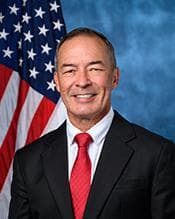
- James Moylan
- Cosponsors
- None
- Introduced
- In Committee
What this bill would do
This bill is called the Childcare Cost Relief Act of 2>2026 and was introduced in the House of Representatives by Mr. Moylan. It amends the Child Care and Development Block Grant Act of 1990 to increase funding for certain States and territories. Specifically, it provides extra money to affected States and territories during certain fiscal years. The bill requires the Secretary to make these funding determinations annually and report them to Congress. Affected areas are those with disproportionately high aggregate child care costs calculated as a percentage of the State median income.
Yes· 3 of 9
Does this make child care cost less?+6
The bill provides increased funding to states and territories with disproportionately high aggregate child care costs.
Would children be better off under this?+5
Increased child care block grant funding supports better access to child care services for children.
Would people in their twenties and thirties be better off under this?+5
Young adults who are often starting families will benefit directly from reduced child care cost burdens.
The opposite
No question was scored the opposite.
Who it would affect, and how
Potential Positive Impacts for People
-
Section 2 (adding section 658T(a)): This provision provides certain States and territories with an amount equal to 2 percent of the difference between the total available grant amounts for the current fiscal year and the preceding fiscal year, which could bring in extra funds for child care in areas that qualify.
-
Section 2 (adding section 658T(b)): This provision requires the Secretary to submit a report to Congress annually detailing the median cost of child care for each State and territory, an assessment of the child care workforce, and a list of affected States and territories, which helps hold officials accountable by keeping the public and Congress informed.
Potential Negative Impacts for People
Based on the provided text, there are no explicitly stated negative impacts or burdens identified for individuals or groups of people.
Groups and Interests Ranking
Every group the model scored this bill for, from -10 to +10. Hover a score for the reason it gave.
- Demographic And Interest Groups
- Good For Children+5Good For Low Income Households+5Good For Young Adults+5Good For Middle Class Households+4Good For Women+4
- Social Issues And Justice
- Improves Childcare Affordability+6Improves Poverty Reduction+3
- Governance And Ideology
- Improves Government Transparency+4
- Economy And Finance
- Improves Economic Growth+3
- 9/16/2026
- Referred to the House Committee on Education and Workforce.
- Introduced in House