Bill · H.R. 10350· House(119-HR-10350)
Protecting Elders from Wire Fraud Act
- Introduced
- 9/10/2026
- Last activity
- 9/10/2026 — Referred to the House Committee on Financial Services.
- Sponsored by
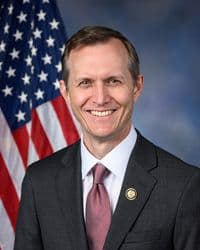
- George Whitesides
- Cosponsors
- - 1 - 1
- Introduced
- In Committee
What this bill would do
The Protecting Elders from Wire Fraud Act requires covered financial institutions to take specific actions when they suspect a senior citizen is being exploited. Covered individuals must report suspected exploitation to a covered agency within 5 days. Financial institutions are required to place a hold on the suspected transaction for up to 30 business days, with possible extensions, to check if the transaction is legitimate. The bill also allows for the notification of trusted contacts and the sharing of certain information with associated persons. Finally, it provides a safe harbor to protect financial institutions from liability when they follow these rules in good faith.
Yes· 3 of 5
Does this give people more protection from unfair business practices?+7
Increases protections for senior citizens against financial exploitation and wire fraud.
Would people over 65 be better off under this?+6
Provides significant protections against fraud, though it may cause temporary delays in accessing legitimate funds.
Would retired people be better off under this?+6
Protects retiree assets from being stolen via wire fraud.
The opposite
Does this protect people from being watched or searched?-4
Allows financial institutions to disclose suspected exploitation to associated persons without the senior's explicit consent.
Does this give people more control over their personal data?-3
Allows sharing of senior citizen's financial suspicion information with reasonably associated third parties.
Does this protect the right to fair treatment by the courts?-2
Allows financial institutions to hold funds for up to 90 days and provides them a safe harbor from liability.
Who it would affect, and how
Potential Positive Impacts for People
-
Prevention of Fraud: Financial institutions must place a hold on suspected transactions for up to 30 business days to determine if the transaction is legitimate, which can stop fraud from occurring (Section 2(c)(3)(A)).
-
Faster Reporting: Covered individuals are required to report suspected exploitation to a covered agency within 5 days, ensuring authorities are notified quickly (Section 2(c)(1)).
-
Family and Support Notification: Financial institutions must notify a trusted contact or a reasonably associated third party about the hold and the reason for it, allowing others to help the senior (Section 2(c)(3)(C)).
-
Increased Agency Support: Covered financial institutions must provide requested records to covered agencies within 2 business days to help investigations (Section 2(c)(4)).
Potential Negative Impacts for People
-
Delayed Access to Funds: Senior citizens may have their legitimate transactions delayed or held for 30 business days, and potentially for two additional 30-day periods, which could restrict access to their own money (Section 2(c)(3)(A) and (D)).
-
Privacy Concerns: The bill allows covered individuals to share information about suspected exploitation with people they determine are reasonably associated with the senior citizen (Section 2(d)(1)).
-
Reduced Legal Recourse: Financial institutions are granted a safe harbor, meaning they cannot be held liable for delaying transactions or disclosing information if they act in good faith and follow the section (Section 2(e)).
Groups and Interests Ranking
Every group the model scored this bill for, from -10 to +10. Hover a score for the reason it gave.
- Demographic And Interest Groups
- Good For Retirees+6Good For Seniors+6
- Economy And Finance
- Improves Consumer Protection+7
- Governance And Ideology
- Increases Federal Power+2Improves Privacy Rights-4Improves Due Process-2
- Education And Technology
- Improves Data Privacy-3
- Social Issues And Justice
- Improves Poverty Reduction+3
- 9/10/2026
- Referred to the House Committee on Financial Services.
- 2 Cosponsors added.
- Introduced in House
 Donald Davis
Democrat · North Carolina
 Maria Salazar
Republican · Florida