Bill · H.R. 10333· House(119-HR-10333)
AACCENT Act
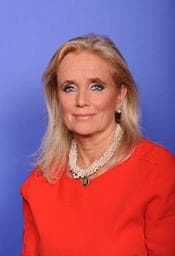
- Introduced
- 9/10/2026
- Last activity
- 9/10/2026 — Referred to the House Committee on Education and Workforce.
- Sponsored by
- Debbie Dingell
- Cosponsors
- - 1 - 0
- Introduced
- In Committee
What this bill would do
This bill creates and funds national resource centers to help people who have significant expressive communication disabilities. It requires the Secretary of Health and Human Services to award three grants totaling up to $9 million per year for five years. These grants support training, technical assistance, and resources to improve access to augmentative and alternative communication tools. The centers are managed by eligible nonprofit partnerships and guided by advisory councils made up entirely of individuals with these disabilities. Ultimately, the legislation aims to reduce discrimination, improve data collection, and help individuals participate fully in all aspects of life.
Yes· 3 of 13
Would people with disabilities be better off under this?+9
The entire legislation is dedicated to empowering individuals with significant expressive communication disabilities through dedicated resource centers, leadership opportunities, and expanded communication access.
Does this expand the rights of people with disabilities?+8
The legislation establishes national resource centers and advisory councils led by individuals with disabilities to eliminate discrimination and expand communication access.
Would children be better off under this?+6
The legislation supports early intervention and educational resources that benefit children with significant expressive communication disabilities.
The opposite
No question was scored the opposite.
Who it would affect, and how
Potential Positive Impacts for People
-
Section 5 and Section 6: The creation of national resource centers and their priority activities could help increase access to augmentative and alternative communication tools for individuals who cannot reliably meet their daily communication needs using natural speech. This is positive because it aims to support self-determination, education, employment, and community living.
-
Section 4: Establishing an 11-person advisory council comprised exclusively of individuals with significant expressive communication disabilities ensures that those directly affected provide guidance, recommendations, and oversight to the grant recipients. This is a positive outcome because it puts the people we voted to represent and those with lived experience directly in charge of shaping these programs.
-
Section 9: Grant funds are directed to link the work of the centers with federal programs relating to community living, competitive integrated employment, and personal safety. This could benefit individuals by improving their economic security, civic engagement, and health outcomes.
Potential Negative Impacts for People
Based on the provided text, there are no specific provisions identified that create negative consequences or burdens for individuals or groups of people in the United States.
Groups and Interests Ranking
Every group the model scored this bill for, from -10 to +10. Hover a score for the reason it gave.
- Demographic And Interest Groups
- Good For People With Disabilities+9Good For Children+6Good For Students+6Good For Young Adults+6Good For Low Income Households+5Good For Middle Aged+5Good For Seniors+5Good For Immigrants+4Good For Veterans+4
- Social Issues And Justice
- Improves Disability Rights+8Improves Poverty Reduction+4
- Healthcare
- Improves Healthcare Access+6
- Education And Technology
- Increases Public School Funding+5
- 9/10/2026
- Referred to the House Committee on Education and Workforce.
- 1 Cosponsor added.
- Introduced in House
4 bills Congress.gov lists as related to this one — companions in the other chamber, earlier versions, and bills this one absorbed or was folded into.
 Mark DeSaulnier
Democrat · California