Bill · H.R. 10309· House(119-HR-10309)
HOMEFRONT Act of 2026
- Introduced
- 9/8/2026
- Last activity
- 9/8/2026 — Referred to the House Committee on the Judiciary.
- Sponsored by
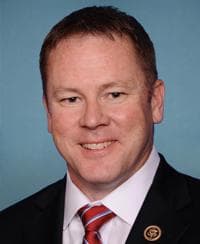
- Warren Davidson
- Cosponsors
- - 5 - 0
- Introduced
- In Committee
What this bill would do
This legislation is known as the HOMEFRONT Act of 2026. It aims to limit the recognition and enforcement of foreign censorship laws within the United States. Domestic courts are generally barred from enforcing foreign judgments or orders based on foreign censorship laws against a United States person unless specific First Amendment, jurisdictional, and computer service standards are met. The bill also restricts government employees from assisting foreign governments with these censorship laws and protects United States persons from extradition over protected speech. Additionally, it creates a private right of action, requires annual reports, and mandates the creation of a public database by the Federal Trade Commission.
Yes· 3 of 10
Does this protect the individual right to speak freely?+10
Directly shields U.S. persons from the effects of foreign censorship laws on their protected speech.
Does this protect what people are allowed to say in public life?+10
Directly prevents the enforcement of foreign censorship laws against U.S. persons for First Amendment protected speech.
Would business owners be better off under this?+7
Protects business owners from foreign legal penalties for constitutionally protected activity.
The opposite
Does this put more rules on large technology companies?-5
Protects tech companies from foreign censorship mandates and reinforces Section 230 protections.
Does this strengthen ties with allied countries?-2
May create diplomatic tension by refusing to recognize foreign court judgments.
Does this favour talking over confrontation abroad?-2
Could potentially hinder diplomatic cooperation by limiting legal assistance to foreign governments.
Who it would affect, and how
Potential Positive Impacts for People
-
Protection of First Amendment Rights: Under Section 2(a)(1), domestic courts cannot recognize or enforce a foreign judgment or order entered under a foreign censorship law on a United States person if the conduct would be protected under the First Amendment inside the United States. This helps ensure that our constitutional free speech rights are not undermined by foreign nations.
-
Extradition Protections: Under Section 2(f), a United States person cannot be extradited from the United States to a foreign country for violating a foreign censorship law if the conduct would be protected under the First Amendment within the United States. This shields individuals from being sent abroad for exercising free speech.
-
Private Right of Action and Damages: Under Section 2(g), a United States person who has a foreign censorship judgment or order entered against them can bring an action in a United States district court to seek a declaratory judgment of unenforceability, injunctive relief, reasonable attorney's fees, and statutory damages of $25,000. This provides targeted individuals with legal recourse and financial support to fight back.
-
Limits on Government Assistance to Foreign Censors: Under Section 2(e), officers or employees of the United States, any State, or any local government are prohibited from assisting a foreign government in investigating or enforcing a foreign censorship law against a United States person for conduct protected by the First Amendment. This prevents our own public officials from helping foreign entities crack down on American speech.
Potential Negative Impacts for People
- Litigation Costs and Burdens: Under Section 2(a)(2), Section 2(b)(2), and Section 2(c)(2), the party seeking to enforce a foreign judgment or order bears the burden of proving that the judgment complies with the First Amendment, constitutional due process for jurisdiction, and section 230 protections. While this protects Americans, the overall cost and time spent litigating these jurisdictional and constitutional battles in domestic court could burden the involved parties and the court system.
Groups and Interests Ranking
Every group the model scored this bill for, from -10 to +10. Hover a score for the reason it gave.
- Governance And Ideology
- Improves Freedom Of Speech+10Improves Due Process+6Improves Government Transparency+5Improves Privacy Rights+4Increases Federal Power+2
- Social Issues And Justice
- Improves Freedom Of Speech+10
- Demographic And Interest Groups
- Good For Business Owners+7
- Economy And Finance
- Improves Small Business Support+3
- National Security And Foreign Policy
- Improves International Trade+2Improves Diplomatic Engagement-2Improves International Alliances-2
- Education And Technology
- Improves Data Privacy+4Increases Big Tech Regulation-5
- 9/14/2026
- 1 Cosponsor added.
- 9/8/2026
- Referred to the House Committee on the Judiciary.
- 4 Cosponsors added.
- Introduced in House
 Tim Burchett
Republican · Tennessee
 Michael Cloud
Republican · Texas
 Paul Gosar
Republican · Arizona
 David Taylor
Republican · Ohio
 Jefferson Van Drew
Republican · New Jersey