Bill · H.R. 10293· House(119-HR-10293)
Rural Emergency Hospital Designation Improvement Act
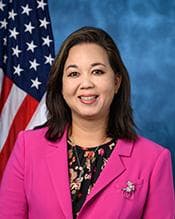
- Introduced
- 9/3/2026
- Last activity
- 9/3/2026 — Referred to the Committee on Energy and Commerce, and in addition to the Committee on Ways and Means, for a period to be subsequently determined by the Speaker, in each case for consideration of such provisions as fall within the jurisdiction of the committee concerned.
- Sponsored by
- Jill Tokuda
- Cosponsors
- - 3 - 4
- Introduced
- In Committee
What this bill would do
The Rural Emergency Hospital Designation Improvement Act aims to amend the Social Security Act regarding rural emergency hospitals. It changes eligibility rules to allow for waivers for facilities operating similarly to these hospitals. The bill expands the types of units a rural emergency hospital can maintain, including psychiatric, rehabilitation, and obstetric units. It also introduces a 5 percent payment increase for certain diagnostic laboratory tests. Additionally, it allows for agreements to provide extended care services and includes these hospitals in various grant and Medicaid programs.
Yes· 3 of 12
Would people in rural areas be better off under this?+8
The bill significantly enhances healthcare access and service variety for residents of rural areas.
Does this make health care easier to get in general?+7
The bill expands the range of services, such as obstetric and rehabilitation units, available in rural areas.
Would women be better off under this?+6
The bill specifically expands access to obstetric and labor/delivery units in rural areas.
The opposite
No question was scored the opposite.
Who it would affect, and how
Potential Positive Impacts for People
-
Easier Conversion for Facilities: The bill allows the Secretary to waive certain requirements for facilities that operate similarly to a rural emergency hospital, making it easier for them to qualify for the designation (Section 2).
-
Expanded Specialized Care: Hospitals can now maintain or include specific units for inpatient psychiatric care, inpatient rehabilitation, or obstetric services like labor and delivery (Section 3).
-
Increased Funding for Laboratory Tests: Starting January 1, 2027, payments for certain clinical and other diagnostic laboratory tests will increase by 5 percent to help cover higher costs (Section 4).
-
Access to Extended Care: Hospitals can enter into agreements to provide services similar to those found in skilled nursing facilities (Section 5).
-
Protection for Returning Hospitals: If a facility reverts to being a critical access hospital, it can regain its status as a necessary provider of health care services (Section 6).
-
Staffing Support: Rural emergency hospitals will be deemed health professional shortage areas, which may assist with provider availability (Section 7).
-
Grant Eligibility: These hospitals can now access the Small Rural Hospital Improvement Program grants (Section 8).
-
Medicaid Coverage: The bill ensures that rural emergency hospital services, including those in specific nursing facility units, are included under Medicaid (Section 9).
Potential Negative Impacts for People
- No specific negative impacts are explicitly mentioned in the text provided.
Groups and Interests Ranking
Every group the model scored this bill for, from -10 to +10. Hover a score for the reason it gave.
- Demographic And Interest Groups
- Good For Rural Residents+8Good For Women+6Good For Retirees+5Good For Seniors+5Good For Low Income Households+4Good For Business Owners+3Good For People With Disabilities+3
- Healthcare
- Improves Healthcare Access+7Improves Mental Health Access+6Increases Medicare Funding+5Increases Medicaid Funding+4
- Environment Energy And Infrastructure
- Improves Rural Development+5
- 9/15/2026
- 1 Cosponsor added.
- 9/8/2026
- 1 Cosponsor added.
- 9/3/2026
- Referred to the Committee on Energy and Commerce, and in addition to the Committee on Ways and Means, for a period to be subsequently determined by the Speaker, in each case for consideration of such provisions as fall within the jurisdiction of the committee concerned.
- 5 Cosponsors added.
- Introduced in House
One bill Congress.gov lists as related to this one — companions in the other chamber, earlier versions, and bills this one absorbed or was folded into.
 Jack Bergman
Republican · Michigan
 Donald Davis
Democrat · North Carolina
 Sharice Davids
Democrat · Kansas
 Tracey Mann
Republican · Kansas
 Carol Miller
Republican · West Virginia
 Melanie Stansbury
Democrat · New Mexico
 Derek Schmidt
Republican · Kansas