Bill · H.R. 10282· House(119-HR-10282)
Stronger Start for Working Families Act
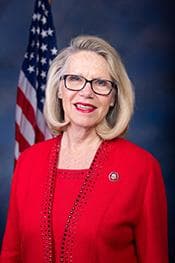
- Introduced
- 9/3/2026
- Last activity
- 9/3/2026 — Referred to the House Committee on Ways and Means.
- Sponsored by
- Carol Miller
- Cosponsors
- - 1 - 2
- Introduced
- In Committee
What this bill would do
This bill is called the Stronger Start for Working Families Act. It changes the rules in the Internal Revenue Code of 1986 regarding the refundable child tax credit. Specifically, it modifies the earned income threshold required for this credit. The text lowers this specific earned income threshold amount. These changes apply to taxable years beginning after December 31, 2025.
Yes· 3 of 20
Would households on low incomes be better off under this?+7
The bill significantly increases the likelihood of receiving tax credits for those with very low earned income.
Is this likely to lift people out of poverty?+5
Lowering the income threshold allows more families to access liquid support to lift them above poverty.
Would children be better off under this?+4
The expansion of the child tax credit directly benefits children through household income.
The opposite
Does this reduce what the federal government owes?-2
Increasing refundable credits may increase the federal deficit.
Does this reduce what the federal government spends?-2
Expanding tax credit accessibility increases government outlays.
Does this make the government pay for what it commits to?-1
The bill increases government spending via tax credits without stated offsets.
Who it would affect, and how
Potential Positive Impacts for People
- Lowering the threshold to one dollar: Section 2 of the bill amends Section 24(d)(1)(B)(i) of the Internal Revenue Code by changing the earned income threshold from $3,000 down to $1. This could be positive because it makes it much easier for individuals with lower earnings to qualify for the refundable child tax credit.
Potential Negative Impacts for People
- No negative impacts provided: Based strictly on the provided text, there are no specific sections or provisions identified that outline negative consequences or burdens for individuals or groups.
Groups and Interests Ranking
Every group the model scored this bill for, from -10 to +10. Hover a score for the reason it gave.
- Demographic And Interest Groups
- Good For Low Income Households+7Good For Children+4Good For African Americans+3Good For Hispanic Americans+3Good For Native Americans+3Good For People With Disabilities+2Good For White Americans+2Good For Women+2Good For Young Adults+2Good For Asian Americans+1Good For Immigrants+1Good For Middle Class Households+1Good For Students+1
- Social Issues And Justice
- Improves Poverty Reduction+5Improves Affordable Housing+1Improves Childcare Affordability+1Improves Racial Equity+1Reduces Homelessness+1
- Economy And Finance
- Improves Economic Growth+1Reduces Government Spending-2Reduces National Debt-2Improves Fiscal Responsibility-1
- Governance And Ideology
- Increases Federal Power+1
- 9/3/2026
- Referred to the House Committee on Ways and Means.
- 3 Cosponsors added.
- Introduced in House
One bill Congress.gov lists as related to this one — companions in the other chamber, earlier versions, and bills this one absorbed or was folded into.
 Steven Horsford
Democrat · Nevada
 Chris Pappas
Democrat · New Hampshire
 Maria Salazar
Republican · Florida