Bill · H.R. 10274· House(119-HR-10274)
Partnerships for Better Health Act
- Introduced
- 9/3/2026
- Last activity
- 9/3/2026 — Referred to the Committee on Energy and Commerce, and in addition to the Committee on Agriculture, for a period to be subsequently determined by the Speaker, in each case for consideration of such provisions as fall within the jurisdiction of the committee concerned.
- Sponsored by
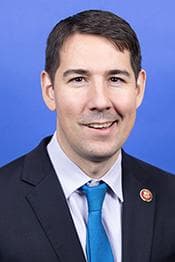
- Josh Harder
- Cosponsors
- None
- Introduced
- In Committee
What this bill would do
The Partnerships for Better Health Act aims to expand access to integrated health and nutrition services for underserved populations facing high rates of chronic disease. The Secretary of Health and Human Services and the Secretary of Agriculture will establish a grant program for lead eligible entities to support disease prevention and management. These grants will fund activities such as care coordination, nutrition education, and "Food Is Medicine" programs. Priority will be given to communities facing food insecurity, chronic disease, or those located in rural and medically underserved areas. Grant recipients must use evidence-based models and serve populations with incomes not exceeding 200 percent of the poverty line. The program includes specific requirements for data infrastructure, outcome tracking, and annual reporting.
Yes· 3 of 5
Would households on low incomes be better off under this?+8
The bill specifically targets populations with incomes not exceeding 200% of the poverty line.
Does this make health care easier to get in general?+7
The bill expands access to integrated health and nutrition services through community-driven grants.
Would people in rural areas be better off under this?+6
Rural areas are specifically listed as a priority for the grant program.
The opposite
No question was scored the opposite.
Who it would affect, and how
Potential Positive Impacts for People
-
Integrated Care Delivery: Grant funds can be used to provide care coordination across clinical, nutrition, and social services, including the use of community health workers or patient navigators (Section 2(d)(1)).
-
Enhanced Nutrition and Education: The bill allows for nutrition and chronic disease education through peer support and the use of culturally and linguistically appropriate materials (Section 2(d)(2)).
-
Food Is Medicine Programs: Funds can be used to establish or expand programs where patients receive medically appropriate food and nutrition education as part of a treatment plan (Section 2(d)(3) and Section 2(i)(1)).
-
Improved Access via Transportation: The bill allows grant funds to be used for providing transportation services to assist with care (Section 2(d)(1)(D)).
-
Targeted Support for Vulnerable Communities: Priority is given to those in areas with high food insecurity, high chronic disease prevalence, or those located in rural and medically underserved areas (Section 2(c)).
Potential Negative Impacts for People
-
Income Restrictions on Service: To receive a grant, entities must serve populations whose family income does not exceed 200 percent of the poverty line, or those who are otherwise medically underserved (Section 2(e)(2)).
-
Grant Duration Limits: Grants are limited to a term of up to 3 years, with a potential 2-year renewal based on performance (Section 2(g)).
Groups and Interests Ranking
Every group the model scored this bill for, from -10 to +10. Hover a score for the reason it gave.
- Demographic And Interest Groups
- Good For Low Income Households+8Good For Rural Residents+6
- Healthcare
- Improves Healthcare Access+7
- Social Issues And Justice
- Improves Poverty Reduction+5
- Environment Energy And Infrastructure
- Improves Rural Development+4
- 9/3/2026
- Referred to the Committee on Energy and Commerce, and in addition to the Committee on Agriculture, for a period to be subsequently determined by the Speaker, in each case for consideration of such provisions as fall within the jurisdiction of the committee concerned.
- Introduced in House