Bill · H.R. 10264· House(119-HR-10264)
American Made Federal Uniforms and Apparel Act of 2026
- Introduced
- 9/3/2026
- Last activity
- 9/3/2026 — Referred to the House Committee on Oversight and Government Reform.
- Sponsored by
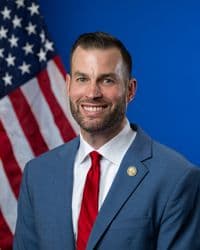
- Clay Fuller
- Cosponsors
- None
- Introduced
- In Committee
What this bill would do
This bill creates a new domestic sourcing requirement for clothing and textile products purchased by executive agencies. Under section 2, federal funds cannot be used to buy covered items unless they are grown, reprocessed, reused, or produced in the United States. The rules apply to direct purchases, leases, rentals, and items furnished through service contracts like laundry or uniform management. The bill includes specific exceptions for availability issues, overseas operations, small purchases below the micro-purchase threshold, and items bought for resale. It also requires the Administrator of General Services to submit regular implementation reports to Congress.
Yes· 3 of 10
Is this likely to create jobs?+5
The domestic sourcing mandate for clothing and textiles is likely to stimulate job creation within the U.S. manufacturing and textile sectors.
Would business owners be better off under this?+4
Domestic manufacturing business owners will benefit from increased demand for their products from federal agencies.
Would union members be better off under this?+4
Domestic manufacturing often involves unionized labor, so this could bolster support for organized labor.
The opposite
Does this make trade with other countries easier?-3
The domestic sourcing requirement may create tension in international trade relations by limiting imports.
Does this reduce what the federal government spends?-2
Mandating domestic goods may increase procurement costs if domestic alternatives are more expensive than imports, potentially increasing government spending.
Who it would affect, and how
Potential Positive Impacts for People
-
Support for Domestic Industries: Section 2 adds section 8306 to title 41, United States Code, requiring federal agencies to buy clothing, uniforms, and natural fiber products that are grown, reprocessed, reused, or produced in the United States. This could benefit American workers and domestic manufacturers by increasing federal demand for locally made apparel and textiles.
-
Protection for Workers Who Are Blind or Severely Disabled: Section 2 explicitly states in subsection (d)(5) that nothing in the bill prohibits procurements required under chapter 85. It directs the Committee for Purchase From People Who Are Blind or Severely Disabled to establish procedures that apply the new domestic sourcing rules while preserving the employment of blind and severely disabled persons.
Potential Negative Impacts for People
- Potential Procurement Delays and Bureaucratic Hurdles: Section 2 requires agency heads to issue a written determination before using an availability exception when domestic items of satisfactory quality and sufficient quantity cannot be procured at market prices. This requirement could create administrative burdens and delays for federal agencies trying to outfit personnel or manage necessary service contracts.
Groups and Interests Ranking
Every group the model scored this bill for, from -10 to +10. Hover a score for the reason it gave.
- Demographic And Interest Groups
- Good For Business Owners+4Good For People With Disabilities+4Good For Union Workers+4Good For Farmers+3
- Economy And Finance
- Increases Job Creation+5Improves Economic Growth+3Improves Small Business Support+2Reduces Government Spending-2
- Governance And Ideology
- Increases Federal Power+3Improves Government Transparency+2
- Social Issues And Justice
- Improves Disability Rights+4
- National Security And Foreign Policy
- Improves International Trade-3
- 9/3/2026
- Referred to the House Committee on Oversight and Government Reform.
- Introduced in House