Bill · H.R. 10240· House(119-HR-10240)
Behavioral Health Crisis Services Expansion Act of 2026
- Introduced
- 9/3/2026
- Last activity
- 9/10/2026 — Referred to the Subcommittee on Health.
- Sponsored by
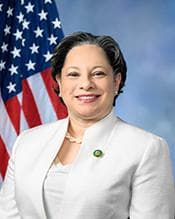
- Jennifer McClellan
- Cosponsors
- - 5 - 0
- Introduced
- In Committee
What this bill would do
This bill is called the Behavioral Health Crisis Services Expansion Act of 2026. It requires certain health programs and insurance plans to provide coverage for crisis response services. These services include mental health or substance use care furnished by mobile crisis teams, urgent care facilities, and stabilization facilities. The bill amends Medicare, Medicaid, group health plans, health insurance coverage, TRICARE, veterans' benefits, the Federal Employees Health Benefits program, and the Children's Health Insurance Program. Most of the coverage requirements take effect three years after the date of enactment.
Yes· 3 of 20
Does this make mental health care easier to get?+9
The bill significantly expands access to crisis response, stabilization facilities, and urgent care for mental health and substance use.
Would children be better off under this?+8
The bill expands coverage for crisis response services including children and adolescents via CHIP.
Would households on low incomes be better off under this?+8
The bill enhances Medicaid and CHIP coverage, which are vital for low-income populations.
The opposite
No question was scored the opposite.
Who it would affect, and how
Potential Positive Impacts for People
-
Medicare Coverage for Crisis Response: Section 2(a) adds crisis response services to the Medicare program and covers ambulance transport for individuals experiencing a mental health or substance use crisis. This is a positive step because it helps older Americans and individuals with disabilities get the emergency mental health care and transportation they need without facing complete out-of-pocket costs.
-
Medicaid and CHIP Expansion: Sections 2(b) and 2(g) mandate coverage for crisis response services under Medicaid and the Children's Health Insurance Program (CHIP), while also allowing crisis response providers to make presumptive eligibility determinations. This ensures that low-income individuals, children, and families can access immediate behavioral health crisis care and sign up for temporary coverage right at the facility.
-
Private Insurance and Employer Plans: Section 2(c) requires group health plans and health insurance issuers to provide benefits for crisis response services without financial requirements or treatment limitations that are more restrictive than those applied to general medical and surgical benefits. This protects everyday people from unfair financial hurdles or separate cost-sharing rules when seeking urgent mental health support through their private insurance.
-
Support for Veterans and Military Families: Sections 2(d) and 2(e) require the TRICARE program and veterans' reimbursement provisions to cover crisis response services. This ensures that our service members, veterans, and their families have guaranteed access to crucial mental health and substance use crisis care.
Potential Negative Impacts for People
- Delayed Implementation: Sections 2(a)(5), 2(b)(4), and 2(c)(4) state that the amendments and coverage requirements generally apply to services furnished on or after the date that is three years after the date of enactment. This delay means that individuals experiencing behavioral health crises right now will not immediately benefit from these federally mandated coverages.
Groups and Interests Ranking
Every group the model scored this bill for, from -10 to +10. Hover a score for the reason it gave.
- Demographic And Interest Groups
- Good For Children+8Good For Low Income Households+8Good For Retirees+7Good For Seniors+7Good For Veterans+7Good For People With Disabilities+6Good For Middle Aged+5Good For Middle Class Households+5Good For Students+5Good For Young Adults+5
- Healthcare
- Improves Mental Health Access+9Improves Opioid Crisis Response+8Improves Healthcare Access+7Improves Veterans Healthcare+7Increases Medicaid Funding+7Increases Medicare Funding+7
- Social Issues And Justice
- Improves Disability Rights+5Improves Policing Reform+3
- National Security And Foreign Policy
- Improves Veterans Benefits+7
- Governance And Ideology
- Increases Federal Power+5
- 9/10/2026
- Referred to the Subcommittee on Health.
- 9/8/2026
- 1 Cosponsor added.
- 9/3/2026
- Referred to the Committee on Energy and Commerce, and in addition to the Committees on Ways and Means, Armed Services, Veterans' Affairs, Oversight and Government Reform, and Education and Workforce, for a period to be subsequently determined by the Speaker, in each case for consideration of such provisions as fall within the jurisdiction of the committee concerned.
- 4 Cosponsors added.
- Introduced in House
 Nanette Barragán
Democrat · California
 Doris Matsui
Democrat · California
 Seth Moulton
Democrat · Massachusetts
 Adam Smith
Democrat · Washington
 Lori Trahan
Democrat · Massachusetts