Bill · H.R. 10219· House(119-HR-10219)
SNAP Fraud Accountability Act
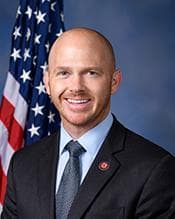
- Introduced
- 9/1/2026
- Last activity
- 9/1/2026 — Referred to the Committee on Agriculture, and in addition to the Committee on the Judiciary, for a period to be subsequently determined by the Speaker, in each case for consideration of such provisions as fall within the jurisdiction of the committee concerned.
- Sponsored by
- William Timmons
- Cosponsors
- None
- Introduced
- In Committee
What this bill would do
Representative Timmons introduced H.R. 10219, known as the SNAP Fraud Accountability Act, on September 1, 2026. This bill aims to amend the Food and Nutrition Act of 2008. The legislation was referred to the Committee on Agriculture and the Committee on the Judiciary. Its primary function is to change the threshold for when criminal penalties apply to a violation of the Act. Specifically, the bill lowers the dollar amount threshold required to trigger these penalties.
Yes
Does this give the federal government more power?+2
The bill expands federal criminal jurisdiction by lowering the threshold for prosecution.
The opposite
Would households on low incomes be better off under this?-4
The bill increases the risk of criminal prosecution for low-income individuals receiving SNAP benefits.
Does this shorten or soften prison sentences?-3
Lowering the threshold for criminal penalties increases the likelihood of criminal charges for smaller amounts.
Does this protect the right to fair treatment by the courts?-2
Lowering the threshold for criminal penalties may increase the frequency of criminal proceedings against individuals.
Who it would affect, and how
Potential Positive Impacts for People
- Increased Accountability: By lowering the threshold from $5,000 to $1,000 in Section 2, the bill cracks down on smaller-scale violations, which helps ensure that public officials and the system hold individuals strictly accountable for abusing taxpayer-funded programs.
Potential Negative Impacts for People
- ** harsher Criminal Penalties for Lower Amounts:** Because Section 2 lowers the threshold from $5,000 to $1,000, individuals who commit violations involving smaller amounts of money will now face criminal penalties that previously would not have applied to them at that dollar level.
Groups and Interests Ranking
Every group the model scored this bill for, from -10 to +10. Hover a score for the reason it gave.
- Demographic And Interest Groups
- Good For Low Income Households-4
- Social Issues And Justice
- Improves Criminal Sentencing Reform-3
- Governance And Ideology
- Increases Federal Power+2Improves Due Process-2
- 9/1/2026
- Referred to the Committee on Agriculture, and in addition to the Committee on the Judiciary, for a period to be subsequently determined by the Speaker, in each case for consideration of such provisions as fall within the jurisdiction of the committee concerned.
- Introduced in House