Bill · H.R. 1020· House(119-HR-1020)
BOOST Act
- Introduced
- 2/5/2025
- Last activity
- 2/5/2025 — Referred to the House Committee on Ways and Means.
- Sponsored by
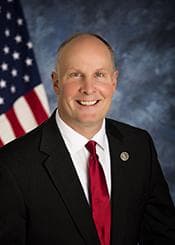
- John Moolenaar
- Cosponsors
- - 1 - 4
- Introduced
- In Committee
What this bill would do
The "Broadening Online Opportunities through Simple Technologies Act," or the "BOOST Act," proposes to amend the Internal Revenue Code of 1986. It seeks to create a new refundable tax credit for individuals who purchase communications signal boosters. This credit is intended for people living in unserved areas with inadequate broadband internet access. The credit covers 75 percent of qualified expenditures, up to a maximum of $400. The provision applies to equipment used in a taxpayer's principal residence. This credit is set to expire for taxable years beginning after December 31, 2029.
Yes· 3 of 7
Would people in rural areas be better off under this?+6
The bill is designed to assist residents in unserved areas, which are primarily rural, by subsidizing internet connectivity equipment.
Does this get reliable internet to more people?+6
The bill provides financial assistance to increase broadband internet signal strength and reach through signal boosters.
Does this invest in rural communities?+5
The bill specifically targets unserved areas defined by the Rural Digital Opportunity Fund to improve connectivity.
The opposite
Does this reduce what the federal government spends?-1
The bill establishes a new refundable tax credit which reduces federal revenue.
Who it would affect, and how
Potential Positive Impacts for People
-
Tax Credit for Equipment: Individuals can receive a refundable credit equal to 75 percent of their qualified signal booster expenditures, up to $400, to help offset the cost of improving internet access (Section 2(a)).
-
Expanded Connectivity Options: The credit applies not just to communications signal boosters, but also to customer premises equipment for satellite networks and ground station equipment used to send and receive satellite transmissions (Section 2(b)(1)).
-
Targeted Support for Unserved Areas: The benefit is specifically designed for those living in "unserved areas," which are defined as areas eligible for funding under certain phases of the Rural Digital Opportunity Fund (Section 2(b)(3)).
Potential Negative Impacts for People
-
One-Time Use Limitation: A taxpayer can only use this credit for a single taxable year; they cannot elect to use it again in a preceding or subsequent year once the election is in effect (Section 2(c)).
-
Time Limits on Availability: The credit is not permanent and will not apply to any amounts paid or incurred in any taxable year beginning after December 31, 2029 (Section 2(e)).
Groups and Interests Ranking
Every group the model scored this bill for, from -10 to +10. Hover a score for the reason it gave.
- Demographic And Interest Groups
- Good For Rural Residents+6Good For Low Income Households+4Good For Middle Class Households+3
- Education And Technology
- Improves Internet Access+6
- Environment Energy And Infrastructure
- Improves Rural Development+5
- Economy And Finance
- Reduces Middle Class Taxes+3Reduces Government Spending-1
- Social Issues And Justice
- Improves Poverty Reduction+1
- 3/24/2025
- 1 Cosponsor added.
- 2/10/2025
- 1 Cosponsor added.
- 2/5/2025
- Referred to the House Committee on Ways and Means.
- 3 Cosponsors added.
- Introduced in House
 Sanford Bishop
Democrat · Georgia
 Bill Huizenga
Republican · Michigan
 Joe Neguse
Democrat · Colorado
 Jimmy Panetta
Democrat · California
 Gabe Vasquez
Democrat · New Mexico