Bill · H.R. 10198· House(119-HR-10198)
Federal Worker Protection Act
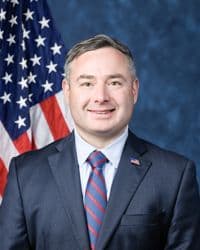
- Introduced
- 8/31/2026
- Last activity
- 8/31/2026 — Referred to the House Committee on Oversight and Government Reform.
- Sponsored by
- Eugene Vindman
- Cosponsors
- - 1 - 0
- Introduced
- In Committee
What this bill would do
This bill is called the Federal Worker Protection Act. It is designed to stop government agencies from using non-disclosure agreements that stop federal employees and contractors from being whistleblowers. The bill requires agencies to include clear language in these agreements explaining a worker's right to report wrongdoing to Congress and other oversight bodies. It gives the Office of Special Counsel and agency Inspectors General the job of reviewing and approving these agreement templates. Workers are given the right to sue agencies and officials in federal court if they face threats or retaliation for whistleblowing. Finally, the legislation makes whistleblower protection laws superior to any non-disclosure agreement or executive branch policy.
Yes
Does this make what the government does easier for the public to see?+7
The bill increases transparency by requiring plain-language notices of disclosure rights and a public registry of NDA templates.
Does this protect the individual right to speak freely?+6
The bill protects the speech rights of federal employees by preventing NDAs from chilling protected whistleblowing disclosures.
Does this protect the right to fair treatment by the courts?+5
The bill provides due process through a private right of action and protections against retaliatory enforcement.
The opposite
No question was scored the opposite.
Who it would affect, and how
Potential Positive Impacts for People
-
Clear Notice of Rights: Under Section 3, agencies must include a plain-language notice in non-disclosure agreements telling workers they keep the right to report information to Congress, Inspectors General, and other oversight bodies. This is positive because it ensures workers clearly understand they can report wrongdoing without being kept in the dark by confusing legal jargon.
-
Oversight and Accountability: Under Section 4 and Section 7, the Office of Special Counsel and agency Inspectors General must review and certify non-disclosure agreement templates before agencies can use them. This is a positive safeguard because it forces government officials to check agreements for hidden traps that might silence whistleblowers.
-
Protection to Fight Back in Court: Under Section 5, employees who face threats or actual punishment because of a non-disclosure agreement can bring a civil action in a United States district court. This benefits workers by giving them a direct way to fight back, seek money for lost wages, and ask a judge to stop unfair punishment.
-
Job Protections for Inspectors General: Under Section 8, the President cannot easily remove or strip duties from an Inspector General within two years of that Inspector General issuing a negative certification against an agency's non-disclosure agreement. This is positive because it protects watchdogs from being fired just for doing their jobs properly.
Potential Negative Impacts for People
- Agency Financial Penalties: Under Section 3, if an agency uses a non-disclosure agreement that does not comply with the law, the agency is liable for a civil penalty of at least $5,000 per violation plus attorney fees and costs. While this holds the government accountable, taxpayers ultimately foot the bill for these penalties when agencies break the rules.
Groups and Interests Ranking
Every group the model scored this bill for, from -10 to +10. Hover a score for the reason it gave.
- Governance And Ideology
- Improves Government Transparency+7Improves Freedom Of Speech+6Improves Due Process+5
- 8/31/2026
- Referred to the House Committee on Oversight and Government Reform.
- 1 Cosponsor added.
- Introduced in House
 Suhas Subramanyam
Democrat · Virginia