Bill · H.R. 10171· House(119-HR-10171)
Improving Health Through Integrated Food and Nutrition Services at Federally Qualified Health Centers Act
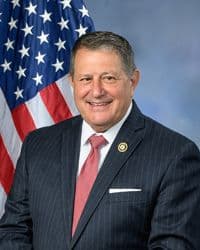
- Introduced
- 8/27/2026
- Last activity
- 8/27/2026 — Referred to the Committee on Agriculture, and in addition to the Committees on Energy and Commerce, and Education and Workforce, for a period to be subsequently determined by the Speaker, in each case for consideration of such provisions as fall within the jurisdiction of the committee concerned.
- Sponsored by
- Joseph Morelle
- Cosponsors
- None
- Introduced
- In Committee
What this bill would do
This bill is called the ``Improving Health Through Integrated Food and Nutrition Services at Federally Qualified Health Centers Act''. It sets up a competitive grant program run by the Secretary of Health and Human Services for Federally qualified health centers. The goal is to help these health centers screen for food insecurity, run on-site food pantries, partner with farms and food banks, hire nutrition professionals, and offer nutrition education. The bill also focuses on connecting patients with federal programs like SNAP and WIC. Health centers that get these grants must report on the number of patients served and their community partnerships. Finally, the bill authorizes $100,000,000 for each of fiscal years 2027 through 2031 to carry out this program.
Yes· 3 of 11
Would households on low incomes be better off under this?+8
The program directly assists low-income populations by integrating food and nutrition services into clinical care.
Does this make health care easier to get in general?+7
The bill integrates nutrition services and food pantry access into clinical care at federally qualified health centers.
Is this likely to lift people out of poverty?+6
The bill addresses food insecurity by integrating nutritional assistance into clinical care.
The opposite
No question was scored the opposite.
Who it would affect, and how
Potential Positive Impacts for People
-
Section 3(a)(1) allows Federally qualified health centers to implement food insecurity screening tools, which is positive because it helps identify patients who are struggling to get enough food.
-
Section 3(a)(2) lets these health centers operate on-site food pantries, providing a direct benefit to people who need immediate access to food.
-
Section 3(a)(4) allows health centers to employ registered dieticians and nutrition professionals, which could give individuals better professional guidance on their health and diet.
-
Section 3(d)(1) works to streamline referrals and enrollment in SNAP, WIC, and other nutrition programs, making it easier for everyday people to get signed up for the food assistance they qualify for.
Potential Negative Impacts for People
- The provided text does not contain any specific sections or provisions that outline negative consequences or burdens for individuals or groups of people in the United States.
Groups and Interests Ranking
Every group the model scored this bill for, from -10 to +10. Hover a score for the reason it gave.
- Demographic And Interest Groups
- Good For Low Income Households+8Good For Children+5Good For Women+4Good For Farmers+3
- Healthcare
- Improves Healthcare Access+7Increases Medicaid Funding+4Reduces Hospital Costs+3
- Social Issues And Justice
- Improves Poverty Reduction+6Improves Racial Equity+4
- Economy And Finance
- Increases Job Creation+3
- Governance And Ideology
- Increases Federal Power+2
- 8/27/2026
- Referred to the Committee on Agriculture, and in addition to the Committees on Energy and Commerce, and Education and Workforce, for a period to be subsequently determined by the Speaker, in each case for consideration of such provisions as fall within the jurisdiction of the committee concerned.
- Introduced in House