Bill · H.R. 10133· House(119-HR-10133)
Fair Prescription Pricing Act of 2026
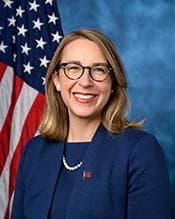
- Introduced
- 8/20/2026
- Last activity
- 8/20/2026 — Referred to the Committee on Energy and Commerce, and in addition to the Committees on Ways and Means, and Education and Workforce, for a period to be subsequently determined by the Speaker, in each case for consideration of such provisions as fall within the jurisdiction of the committee concerned.
- Sponsored by
- Hillary Scholten
- Cosponsors
- None
- Introduced
- In Committee
What this bill would do
The Fair Prescription Pricing Act of 2026 aims to amend several existing laws, including the Public Health Service Act, ERISA, and the Internal Revenue Code. The bill seeks to limit how much people have to pay out-of-pocket for certain medications. Specifically, it prevents group health plans and health insurance issuers from charging cost-sharing amounts that go above the nationwide average consumer purchase price for a drug. This limit applies to deductibles, coinsurance, and copayments for covered outpatient drugs dispensed at in-network pharmacies. The law also requires that pharmacy benefit managers comply with these same limits.
Yes· 3 of 10
Does this lower the price of prescription medicines?+8
The bill directly reduces out-of-pocket costs for covered outpatient drugs by capping cost-sharing amounts.
Would households on low incomes be better off under this?+7
Lowering drug cost-sharing disproportionately benefits low-income households by reducing medical expenses.
Does this give people more protection from unfair business practices?+7
The bill provides significant consumer protection by capping out-of-pocket drug costs based on nationwide averages.
The opposite
Would business owners be better off under this?-2
Business owners may face slightly higher costs when providing group health benefits due to these caps.
Who it would affect, and how
Potential Positive Impacts for People
-
Lower Out-of-Pocket Costs: The bill restricts the amount of cost sharing—which includes deductibles, coinsurance, and copayments—that a plan can charge for a covered outpatient drug (Section 2, PHSA subsection a; ERISA section 727 subsection a; IRC section 9827 subsection a).
-
Price Protection via Nationwide Averages: By capping costs at the nationwide average of consumer purchase prices for the preceding one-year period, the bill ensures that individuals are not paying more than the average consumer price for their drugs (Section 2, PHSA subsection a; ERISA section 727 subsection a; IRC section 9827 subsection a).
-
Accountability for Pharmacy Benefit Managers: The bill ensures that pharmacy benefit managers must comply with the same cost-sharing limitations as the health plans and insurance issuers they serve (Section 2, PHSA subsection b; ERISA section 727 subsection b; IRC section 9827 subsection b).
Potential Negative Impacts for People
- No negative impacts or burdens are explicitly stated in the provided text.
Groups and Interests Ranking
Every group the model scored this bill for, from -10 to +10. Hover a score for the reason it gave.
- Demographic And Interest Groups
- Good For Low Income Households+7Good For Retirees+6Good For Middle Class Households+5Good For People With Disabilities+5Good For Seniors+5Good For Business Owners-2
- Healthcare
- Reduces Prescription Drug Costs+8Improves Healthcare Access+5
- Economy And Finance
- Improves Consumer Protection+7
- Social Issues And Justice
- Improves Poverty Reduction+4
- Governance And Ideology
- Increases Federal Power+3
- 8/20/2026
- Referred to the Committee on Energy and Commerce, and in addition to the Committees on Ways and Means, and Education and Workforce, for a period to be subsequently determined by the Speaker, in each case for consideration of such provisions as fall within the jurisdiction of the committee concerned.
- Introduced in House