Bill · H.R. 10097· House(119-HR-10097)
Earn to Learn Act
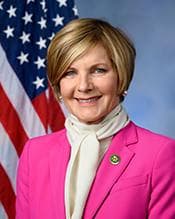
- Introduced
- 8/13/2026
- Last activity
- 8/13/2026 — Referred to the House Committee on Education and Workforce.
- Sponsored by
- Susie Lee
- Cosponsors
- - 1 - 2
- Introduced
- In Committee
What this bill would do
The Earn to Learn Act aims to establish a matched savings program designed for low-income students to help them reach their educational goals. The bill creates a demonstration grant program where the Secretary of Education awards competitive grants to eligible entities, such as states or nonprofits. These entities will manage postsecondary education match savings accounts that provide matching funds for student contributions. The program includes financial capability training and success coaching to help students develop healthy financial habits. Additionally, the Act seeks to minimize or eliminate student loan debt through these specialized savings tools.
Yes· 3 of 6
Would households on low incomes be better off under this?+8
The bill targets low-income students with matching funds to increase their educational savings.
Would students be better off under this?+8
The bill provides direct financial support and skill training for postsecondary students.
Does this make college cost less?+8
The bill establishes matched savings accounts to help low-income students pay for postsecondary education and reduce debt.
The opposite
No question was scored the opposite.
Who it would affect, and how
Potential Positive Impacts for People
-
Financial Support for Education: The program provides a match where, after a student or family deposits $100, the entity provides a match of $8 for every subsequent dollar deposited (Section 5, subsection e, paragraph 2, subparagraph A).
-
Improved Financial Skills: Students can access a "Financial Capability Training Platform" and a "Success Coaching Model" to learn about budgeting, managing student debt, savings, and credit (Section s, subsection 5, paragraph 5; Section 4, subsection 11).
-
Protection of Existing Financial Aid: Participation in this grant program will not affect a student's eligibility for a Federal Pell Grant, nor will the deposited funds be considered when determining eligibility for Federal student aid under title IV (Section 5, subsection a, paragraph 3).
-
Career and School Readiness: The Success Coaching Model provides training for workforce readiness, including interviewing, resume skills, and career exploration (Section 4, subsection 11).
Potential Negative Impacts for People
-
Financial Responsibility for Withdrawals: If a participating student withdraws from an institution during the drop-add period, that student is responsible for any amounts owed for that academic period and will not receive matching funds for it (Section 5, subsection e, paragraph 2, subparagraph B).
-
Limitations on Fund Duration: Participation in the program terminates after 8 years for enrolled students, or after 4 years for those who do not enroll in an eligible institution (Section 5, subsection e, paragraph 3, subparagraph B).
Groups and Interests Ranking
Every group the model scored this bill for, from -10 to +10. Hover a score for the reason it gave.
- Demographic And Interest Groups
- Good For Low Income Households+8Good For Students+8Good For Young Adults+7
- Education And Technology
- Improves College Affordability+8Improves Student Loan Relief+5
- Social Issues And Justice
- Improves Poverty Reduction+7
- 8/13/2026
- Referred to the House Committee on Education and Workforce.
- 3 Cosponsors added.
- Introduced in House
2 bills Congress.gov lists as related to this one — companions in the other chamber, earlier versions, and bills this one absorbed or was folded into.
 Juan Ciscomani
Republican · Arizona
 Greg Stanton
Democrat · Arizona
 David Valadao
Republican · California