Bill · H.R. 10037· House(119-HR-10037)
Virtual-Based Opioid Treatment for Veterans Act
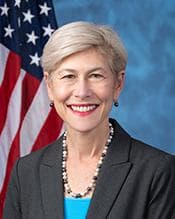
- Introduced
- 8/3/2026
- Last activity
- 8/10/2026 — Referred to the Subcommittee on Health.
- Sponsored by
- Deborah Ross
- Cosponsors
- - 1 - 1
- Introduced
- In Committee
What this bill would do
This legislation, known as the Virtual-Based Opioid Treatment for Veterans Act, directs the Secretary of Veterans Affairs to set up a pilot program expanding virtual-based opioid treatment access for covered veterans. Under Section 2, the VA must conduct outreach, build referral networks, create a referral pipeline supported by a public awareness campaign, ensure clinicians know about the program, and launch an interagency task-force. The bill also requires a study and reports on the societal impact of treatment barriers, and it sets an initial program sunset of two years unless extended by the Secretary.
Yes· 3 of 6
Does this do more about addiction and overdose deaths?+8
The bill directly addresses the opioid crisis by implementing specialized treatment and research into treatment barriers.
Would veterans be better off under this, taking everything together?+8
The bill specifically targets veterans to expand their access to life-saving opioid treatment through virtual care.
Does this help veterans get medical care?+7
The bill expands access to essential opioid treatment through a new virtual-based pilot program specifically for veterans.
The opposite
No question was scored the opposite.
Who it would affect, and how
Potential Positive Impacts for People
-
Section 2(a)(1) requires outreach to covered veterans and their families about virtual-based opioid treatment options through the Veterans Community Care Program, which could help people easily learn about and access care they might not have known existed.
-
Section 2(a)(2) and Section 2(a)(3) direct the development of referral networks and pipelines designed specifically around overcoming barriers associated with opioid treatment, backed by a national public awareness campaign, helping veterans get connected to supplemental care.
-
Section 2(a)(4) ensures that Veterans Health Administration clinicians and peer-support specialists are aware of these virtual treatment programs, which can make it easier for trusted healthcare workers to guide patients experiencing barriers to direct care.
-
Section 2(a)(5) launches an interagency task-force with covered Secretaries to ensure a coordinated, whole-of-government approach, which holds officials accountable for working together across agencies on cross-agency integration.
Potential Negative Impacts for People
- Section 2(c)(1) states that the authority for the pilot program terminates on the date that is 2 years after the enactment of the Act, which could abruptly cut off this virtual treatment access for veterans unless the Secretary explicitly decides to extend it under Section 2(c)(2).
Groups and Interests Ranking
Every group the model scored this bill for, from -10 to +10. Hover a score for the reason it gave.
- Healthcare
- Improves Opioid Crisis Response+8Improves Veterans Healthcare+7Improves Healthcare Access+5
- Demographic And Interest Groups
- Good For Veterans+8Good For Rural Residents+4
- National Security And Foreign Policy
- Improves Veterans Benefits+7
- 8/10/2026
- Referred to the Subcommittee on Health.
- 8/3/2026
- Referred to the House Committee on Veterans' Affairs.
- 2 Cosponsors added.
- Introduced in House
 Donald Davis
Democrat · North Carolina
 Carol Miller
Republican · West Virginia