Bill · H.R. 10036· House(119-HR-10036)
Constituent Services Impacts of Federal Workforce Firings Act
- Introduced
- 8/3/2026
- Last activity
- 8/3/2026 — Referred to the House Committee on Oversight and Government Reform.
- Sponsored by
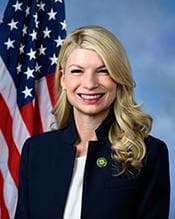
- Brittany Pettersen
- Cosponsors
- - 10 - 0
- Introduced
- In Committee
What this bill would do
This bill, titled the "Constituent Services Impacts of Federal Workforce Firings Act," directs the Comptroller General of the United States to conduct a comprehensive study. The study focuses on how Federal reductions in force and other civilian workforce reductions impact constituent services. It aims to examine changes in service performance, such as processing times, call center wait times, and agency responsiveness. The scope includes looking at the effects on service backlogs and the ability of agencies to meet mission-critical obligations. Finally, the Comptroller General must submit a report containing findings, projected impacts, and policy options to specific Congressional committees.
Yes· 3 of 4
Does this make what the government does easier for the public to see?+5
The bill enhances transparency by requiring a GAO study on how workforce reductions impact the delivery of essential constituent services.
Would veterans be better off under this, taking everything together?+3
The study specifically includes assessing how workforce reductions impact agencies that administer veterans benefits.
Would immigrants be better off under this?+3
The study targets agencies responsible for immigration services which are susceptible to workforce reductions.
The opposite
No question was scored the opposite.
Who it would affect, and how
Potential Positive Impacts for People
-
Increased Accountability and Transparency: The study aims to provide a comprehensive assessment of how workforce reductions affect service delivery, which is currently missing (Section 2).
-
Identification of Service Disruptions: The study will identify agencies experiencing the greatest disruptions to constituent services (Section 3(e)(2)(A)(ii)).
-
Development of Continuity Strategies: The final report is required to include recommendations for changes to strengthen the continuity of constituent services during workforce reductions (Section 3(e)(2)(A)(iv)).
-
Policy Options for Addressing Delays: The report will provide policy options for Congress to consider, such as potential Federal assistance or coordination mechanisms to address service delays (Section 3(e)(2)(C)).
Potential Negative Impacts for People
-
Service Backlogs and Delays: Reductions in force may lead to increased service backlogs and longer processing times for various services (Section 2).
-
Reduced Access to Assistance: Workforce reductions could reduce access to in-person or telephone assistance for constituents (Section 2).
-
Reduced Agency Responsiveness: Reductions in force may diminish the overall responsiveness of agencies to the people they serve (Section 2).
-
Impaired Congressional Assistance: Reductions in force may prevent agencies from providing necessary information to Members of Congress, which impairs their ability to help constituents resolve issues involving Federal programs (Section 2).
Groups and Interests Ranking
Every group the model scored this bill for, from -10 to +10. Hover a score for the reason it gave.
- Demographic And Interest Groups
- Good For Immigrants+3Good For Veterans+3Good For Union Workers+2
- Governance And Ideology
- Improves Government Transparency+5
- 9/8/2026
- 1 Cosponsor added.
- 9/3/2026
- 6 Cosponsors added.
- 8/3/2026
- Referred to the House Committee on Oversight and Government Reform.
- 3 Cosponsors added.
- Introduced in House
 Yassamin Ansari
Democrat · Arizona
 André Carson
Democrat · Indiana
 Judy Chu
Democrat · California
 Maxwell Frost
Democrat · Florida
 Adelita Grijalva
Democrat · Arizona
 Seth Moulton
Democrat · Massachusetts
 Joe Neguse
Democrat · Colorado
 Marilyn Strickland
Democrat · Washington
 Mary Gay Scanlon
Democrat · Pennsylvania
 Rashida Tlaib
Democrat · Michigan