Bill · H.R. 10007· House(119-HR-10007)
Environmental Health Workforce Act of 2026
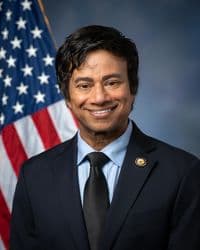
- Introduced
- 7/30/2026
- Last activity
- 7/30/2026 — Referred to the Committee on Energy and Commerce, and in addition to the Committee on Education and Workforce, for a period to be subsequently determined by the Speaker, in each case for consideration of such provisions as fall within the jurisdiction of the committee concerned.
- Sponsored by
- Shri Thanedar
- Cosponsors
- None
- Introduced
- In Committee
What this bill would do
The Environmental Health Workforce Act of 2026 aims to prioritize the education and training of both new and existing environmental health professionals. The bill directs the Secretary of Health and Human Services to develop model standards and guidelines for credentialing these workers. It also requires a comprehensive workforce development plan to address gaps in staffing and training. Additionally, the Comptroller General is tasked with examining best practices regarding training and credentialing across various states. Finally, the act amends the Higher Education Act of 1965 to include full-time environmental health workers in public service loan forgiveness programs.
Yes· 3 of 10
Does this better protect air, water and wildlife?+6
By strengthening the workforce that investigates and controls environmental hazards, the bill enhances environmental protections.
Would students be better off under this?+5
Students pursuing environmental health careers benefit from the inclusion in loan forgiveness programs.
Does this reduce what student borrowers owe or repay?+5
It explicitly adds environmental health workers to the public service loan forgiveness program.
The opposite
No question was scored the opposite.
Who it would affect, and how
Potential Positive Impacts for People
-
Professional Standards and Support: The Secretary of Health and Human Services will develop model standards and guidelines for credentialing, while also providing technical assistance to state, local, and tribal governments (Section 3). This could help establish clear professional expectations.
-
Workforce Stability: The bill requires a comprehensive plan to ensure Department of Health and Human Services programs meet national needs by identifying gaps in the workforce and actions needed to address them (Section 4).
-
Financial Assistance for Workers: The act amends the Higher Education Act of 1965 to allow full-time environmental health workers who are accredited, certified, or licensed to qualify for public service loan forgiveness (Section 6).
-
Data-Driven Best Practices: The Comptroller General will identify best practices regarding training and credentialing by examining six different states (Section 5).
Potential Negative Impacts for People
- No specific negative impacts or burdens are explicitly stated in the provided text.
Groups and Interests Ranking
Every group the model scored this bill for, from -10 to +10. Hover a score for the reason it gave.
- Demographic And Interest Groups
- Good For Students+5Good For Young Adults+4Good For Native Americans+3
- Education And Technology
- Improves Student Loan Relief+5Improves College Affordability+4
- Healthcare
- Improves Healthcare Access+5Improves Pandemic Preparedness+4
- Environment Energy And Infrastructure
- Improves Environmental Protections+6
- Economy And Finance
- Increases Job Creation+3
- Governance And Ideology
- Increases Federal Power+2
- 7/30/2026
- Referred to the Committee on Energy and Commerce, and in addition to the Committee on Education and Workforce, for a period to be subsequently determined by the Speaker, in each case for consideration of such provisions as fall within the jurisdiction of the committee concerned.
- Introduced in House