Bill · H.Con.Res. 85· House(119-HCONRES-85)
Celebrating the 50th anniversary of the Magnuson-Stevens Fishery Conservation and Management Act on April 13, 2026, and recognizing its significant impact on the sustainable and profitable management of the Nation's fishery resources.
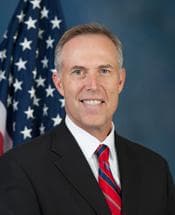
- Introduced
- 4/16/2026
- Last activity
- 4/16/2026 — Referred to the House Committee on Natural Resources.
- Sponsored by
- Jared Huffman
- Cosponsors
- - 2 - 0
- Introduced
- In Committee
A concurrent resolution is how the House and the Senate settle something they do together, such as a budget plan or a joint session. It is adopted once both chambers agree to it, and that puts it into effect; it is not a law, so it does not go to the President.
What this bill would do
This concurrent resolution celebrates the 50th anniversary of the Magnuson-Stevens Fishery Conservation and Management Act (MSA) on April 13, 2026. It recognizes the act's significant impact on the sustainable and profitable management of United States fishery resources. The resolution highlights how the MSA extended federal control to 200 miles offshore to prioritize American fishermen. It also notes the role of the MSA in creating a science-based national program for conservation and management. Finally, the resolution commends the various experts and individuals who work to steward these marine resources.
Yes· 3 of 10
Would Native Americans be better off under this?+7
The act sustains Indigenous and Tribal practices and ensures their food security.
Does this better protect air, water and wildlife?+7
The act prevents overfishing, rebuilds stocks, and protects critical marine habitats.
Would business owners be better off under this?+6
The act provides a stable and profitable environment for the fishing industry through science-based management.
The opposite
No question was scored the opposite.
Who it would affect, and how
Potential Positive Impacts for People
-
Economic Support: The text notes that marine fish stocks contribute $319,000,000,000 in sales impacts and support 2,100,000 jobs.
-
Food Security and Nutrition: The MSA helps ensure a safe and sustainable supply of seafood, supporting a per capita consumption of 19.1 pounds of healthy, affordable seafood products.
-
Cultural and Indigenous Support: The act sustains Indigenous and Tribal practices and provides critical food security for these communities.
-
Resource Protection: The MSA works to increase long-term economic and social benefits by preventing overfishing, rebuilding stocks, and protecting habitats needed for fish to spawn, breed, feed, and grow.
-
Industry Partnership: The law ensures that fishermen and industry members are partners in the democratic decision-making processes that affect their livelihoods and communities.
-
Resource Access: By extending Federal control to 200 nautical miles offshore, the MSA prioritizes the right of American fishermen to access the Nation's fishery resources.
Potential Negative Impacts for People
- Note: The provided text does not identify any specific sections or provisions that would result in negative consequences or burdens for individuals or groups of people; rather, it focuses on the benefits and successes of the Magnuson-Stevens Fishery Conservation and Management Act.
Groups and Interests Ranking
Every group the model scored this bill for, from -10 to +10. Hover a score for the reason it gave.
- Demographic And Interest Groups
- Good For Native Americans+7Good For Business Owners+6Good For Rural Residents+5Good For Low Income Households+3
- Economy And Finance
- Improves Small Business Support+5Increases Job Creation+5
- Social Issues And Justice
- Improves Racial Equity+5Improves Poverty Reduction+3
- Environment Energy And Infrastructure
- Improves Environmental Protections+7
- National Security And Foreign Policy
- Improves International Trade+3
- 4/16/2026
- Submitted in House
- Referred to the House Committee on Natural Resources.
- 2 Cosponsors added.
 Val Hoyle
Democrat · Oregon
 William Keating
Democrat · Massachusetts